"When I first met Mr. C* in our speech clinic, he had been just discharged from outpatient therapy at the University hospital. His wife commented that Mr. C* had been three months an outpatient, after six weeks in acute rehab for his stroke, and two weeks in the acute hospital before that. Already such a long time away from home, but at least he's finished seven weeks of home health care and re-acclimated to his home. Already such a long time....12 weeks, 18 then, 20 - 27 after home health: almost SEVEN months from onset. Mr. C* still wasn't producing more than single words at this stage, so I had to rely upon the wife's commentary, as well as the case history forms she had filled out.
"Mr. C* had been a truck driver for nearly twenty years before his stroke. Because he enjoyed family life so much, having raised three children and now, there were six grandchildren nearby that dropped in anytime - he rarely took long haul, 'over the road' hauls. What did he carry in his trailer? Wheat, soybeans, corn, rice - it was an agricultural market that he worked...and he was home every night, after two to three loads carried to one of three grain elevators, built to accommodate river barge traffic. To keep up the pace that the grain producer demanded; that is, to get the highest number of loads delivered to the elevator per day, Mr. C* kept his schedule tight. A good breakfast at home; the usual, eggs and sausage, toast, coffee - then the rest of the day was fueled by either a package of cheese/peanut butter crackers, or a bottle of Coke with peanuts poured in, or a bag of chips. Fast, tasty and convenient!
"Mr. C* had worked hard, all his life....and driving and maintaining a truck was a lot of work. There was not only the routine maintenance to keep the rig running, but also there were the vigilance and energy it took to respond to surprising breakdowns during a trip; be they blown tires, burst belts, or the help it might require to straighten out a 'jackknifed' rig. Those hours where he hadn't been piecing together the well - worn cab + trailer, you could see him pushing it down the highways, and along gravel and dusty roads. When he drove home and came into his house, his body bore effects of the forces imposed by the rigid cab seat. Eating a big meal, then sinking into his high - backed recliner to watch TV immediately afterwards, he often needed a "Go to bed!" from his wife within the hour to get fruitful sleep.
"Now Mr. C* is here, and the evaluation is almost done. I explained all my observations, and I reviewed the assessment data to draw a conclusion. 'I think that you might benefit from working with us, sir. The records from your prior treatment suggest, that the odds are fair to good that you'll continue to make progress with us for using your speech. Do you have any questions?' I looked to both Mr. C* and his wife.
"But as Sue Storm (Richards) would have said, way back in the history of the FANTASTIC FOUR comic, 'what does it all mean?'.
"Speech - language pathologists can, with considerable skill, describe impairments of cognition, communication and swallowing, and then provide skilled interventions based upon the latest scientific knowledge about these skill sets, to help all who come to them sustain the highest possible quality of life. With Mr. C* and so many others like him, the goals of treatment are to prevent worsening of disability. But, what if Mr. C* had had the opportunity to manage his lifestyle and lower the risk of this disability? This is what we'll continue to explore."
Now, let's see - where were we? It's been a stressful summer, and fall could be a portent for a fall I need to anticipate. But the question still remains - how do I incorporate primary prevention into the daily regimen of a practicing speech - language pathologist? Who will buy?
To fend off any rejection of primary prevention by the CSD (communication sciences and disorders) professions, the answer to "Why do it?", is - our professions mandate it. Our consumers and their advocates are healthier for it. The healthcare industry is inexorably being drawn to carry prevention on its back. We want less and less occurrences of disability and death. Our moral and ethical selves should embrace prevention for their professional lives.
The goal of primary prevention activities is "to prevent a disease from ever occurring" (Kisling and Das, 2023). Most of us might think that preventing disease is the physician's job, but we all have had personal experiences - that we, or those we know well, once arrived at a doctor's office or emergency room very sick. Your doctor may often be ignorant of risk factors for disease that you're carrying, until you show full - blown symptoms of the disease.
We know that both presymptomatic and predictive testing for a growing number of medical conditions, through laboratory and radiological means, are evolving to become more everyday tools in the medical clinician's toolbox (LifeLineScreening, n.d.; Dagonnier, Donnan, Davis et al., 2021; Lawrence, 2004). Though major medical centers with precision medicine emerging in their product lines, declare their intent is to make healthcare "predictive, preventative, personalized and participatory" (Flores, Glusman, Brogaard, et al., 2013), the state of the science does not yet empower all the persons served, to better their health.
Large medical research centers have the cachet that will attract many health consumers to share their DNA with laboratories. Their growth from the time of World War II to the present, has brought together sterling resources for medical education, clinical and basic research, patient care and health policy advocacy (Coleman and Dang, 2023). But if you want to make big consequential changes in how people can stay healthy throughout their lives, is it easier to turn a luxury cruise ship, or a Mini Cooper?
Not only must a prevention intervention be effective, or do what is intended; be safe to the consumer and her circles of support; but also, efficient for delivering the best possible outcome at the best possible cost. A counterpoint to "precision public health" (Khoury, 2018; Thaler, 2019), which employs big data sets, genomic sequencing and precision laboratory interventions, might be a human scale involvement in risk reduction, by members of a population. This type of intervention would attempt to connect the cultural influences upon a population's health status, with the outcomes for intervention they desire. This intervention might include, in the case of primary prevention for cardiovascular disease:
* baseline and serial assessment of individuals' cardiovascular risk
* analysis of the cultures in which each participant exists
* education via printed material developed from the cultural interviews, surveys and observations
* education via publishing monthly cardiovascular (CV) risk reduction activities in a community, upon a web-based/hard copy calendar
* education via participation in dedicated lectures on the major domains for CV risk
* assessment of individuals' active involvement in learning management strategies for CV risk
* periodic assessment of the satisfaction of population members with the prevention intervention
* replication of the prevention program within different cultural communities
This intervention does not mandate for participants a sole method for reaching their CV risk goals. It allows the individual to develop insight for what she/he might control to gain/retain a healthy CV system, and act as she finds it possible within her means and her culture. Studies done over the past decade (Winham, 2009; Stuart-Shor, Berra, Kamau and Kumanyika, 2012; AHA, 2023) may echo the sentiment of a contemporary comedy movie: "It's just culture; that's all" (Chadha and Nayar, 2003). There's the future - perhaps! The future will tell whether primary prevention based on a culturally - sensitive model will attract the energy of more speech - language pathologists. Will you buy?
REFERENCES
1. Kisling, Lisa A., and Das, Joe M. Prevention Strategies, In: StatPearls [Internet]. Treasure Island (FL): StatPearls Publishing; 2023 Jan.. Retrieved 11/7/23 from https://pubmed.ncbi.nlm.nih.gov/30725907/
2. LifeLine Screening: The Power of Prevention. n.d. Retrieved 11/7/23 from https://www.lifelinescreening.com/ppc-149?sourcecd=WGBS101&utm_source=WGBS101&utm_medium=cpc&utm_campaign=11845162922&utm_term=lifeline%20screening&gad_source=1&gclid=CjwKCAiA3aeqBhBzEiwAxFiOBr37IradPa2SDZgpn_3tUISRICNkHnxoW1Hm_xlDACr-3bkaSiiyhxoC8DAQAvD_BwE&gclsrc=aw.ds
3. Dagonnier, Marie, Donnier, Geoffrey A., Davis, Stephen M., et al. Acute Stroke Biomarkers: Are We There Yet? Frontiers in Neurology, 12, 2021. Retrieved 11/7/23 from https://www.ncbi.nlm.nih.gov/pmc/articles/PMC7902038/
4. Lawrence, Bill (executive producer). "My Fault", Season 3, Episode 20 of Scrubs. Originally broadcast on 4/22/2004. Retrieved 11/7/23 from https://www.youtube.com/watch?v=R9hEa8LKG4c
5. Flores, Mauricio, Glusman, Gustavo, Brogaard, Kristin, et al., P4 Medicine: How Systems Medicine Will Transform the Healthcare Sector and Society. Personalized Medicine, 10(6), 2013, 565 - 76. Retrieved 11/7/23 from https://pubmed.ncbi.nlm.nih.gov/25342952/
6. Coleman, Kara, and Dang, Donna. 37 Scientists Pionerring the Future of Biomedical Research. Pew Trusts, June 13, 2023. Retrieved 11/7/2023 from https://www.pewtrusts.org/en/research-and-analysis/articles/2023/06/13/37-scientists-pioneering-the-future-of-biomedical-research
7. Khoury, Muin J , Bowen, M. Scott, Clyne, Mindy, et al., From Public Health Genomics to Precision Public Health: A 20 - Year Journey. Genetic Medicine, 20 (6), June 2018, 574 - 582. Retrieved 11/7/23 from https://pubmed.ncbi.nlm.nih.gov/29240076/
8. Thaler, David S., Head, Michael G., and Horsley, Andrew. Precision Public Health to Inhibit the Contagion of Disease and Move Toward a Future in Which Microbes Spread Health. BMC Infectious Diseases, 19(1), February 6, 2019. Retrieved 11/8/23 from https://pubmed.ncbi.nlm.nih.gov/30727964/
9. Winham, Donna M. Culturally Tailored Foods and CVD Prevention. American Journal of Lifestyle Medicine, 3(1), 2009, 64S - 68S. Retrieved 11/8/23 from https://www.ncbi.nlm.nih.gov/pmc/articles/PMC2782861/
10. Stuart - Short, Eileen M., Berra, Kathy A., Kamau, Mercy W. and Kumanyika, Shiriki K. Behavioral Strategies for Cardiovascular Risk Reduction in Diverse and Underserved Racial/Ethnic Groups. Circulation, 125, January 3, 2012, 171 - 184. Retrieved 11/8/23 from https://www.ahajournals.org/doi/full/10.1161/CIRCULATIONAHA.110.968495
11. American Heart Association. Culture, Diet, Economic Factors and More Affect CVD Risk Among Asian Americans. Newsroom, May 8, 2023. Retrieved 11/8/23 from https://newsroom.heart.org/news/culture-diet-economic-factors-and-more-affect-cvd-risk-among-asian-americans
12. Chadha, Gurinder, and Nayar, Deepak (Producers). Bend It Like Beckham. Original release March 12, 2003. Retrieved 11/8/23 from https://www.rottentomatoes.com/m/bend_it_like_beckham
A relative of a person I recently served -I was thinking about it in retrospect - shocked me initially after I had completed that person's evaluation. I was boring, the relative passed along to me. Bang! Pow! - and that ultimate of Marvel Comics sound effects that rocked me - TTHOKK! - now, THAT is a criticism of my work that rocks me to my core. My audition had been a seeming failure, and I was on the cusp of being cast aside for a more 'entertaining' clinician. Horrors!
Losing business is no joke. Even with the supposed national shortage of CSD (communication sciences and disorders) professionals, there is always some colleague in your area, glad to welcome a disgruntled customer into their fold - for as long as it takes. I've got to sharpen up my customer service saw, I thought - the neon words "sharpen it! Sharpen it! SHARPEN IT!" flashing hot, like an epileptic engram in my brain. "HOW COULD YOU MAKE A MISTAKE LIKE THAT??"
Boring, maybe - I could rightly be accused of being in my head at times; whether checking a source from my memory banks after seeing a certain customer behavior, or just pacing the session activities, without revealing to the customer my reactions to what had happened - not giving a clue, not seemingly engaged. But there was a method behind it all....
Reviewing this customer's history, I found that he had suffered numerous episodes of agitation when interacting with all persons, familiar or otherwise. The customer had cursed, kicked, bitten, urinated on, screamed at, threatened, run from and punched at friends, family and helpers alike, when he was engaged. Definitely worth keeping my own interaction style cool. In my rehab hospital days, I had called myself "The Quaalude Kid", impervious to threats, shocks or injuries, to interact with an irritable customer. They deserve quality service, too!
The customer's family and I moved on from that temporary disagreement. Learning the threshold of the customer for sustaining attention - it was critical for planning the range of interventions I'd have available, identifying the reinforcers that worked, and gauging when goals would be met.
The paramedics who found me on the pavement of that parking lot, almost a week ago, roused me from a slumber of - subsequent investigation found it to be almost an hour's time - mysterious then shocking origin. I'd suffered a head injury. The fog of semi - consciousness about this entire murky mess was lifting, of course, because the people assessing me, and shamelessly cutting my clothing open to wire me up, and refill my fluid bank through plastic tubes - they were pulling me out of it.I had been a bloody lump when found, and the fuzzy vision I had was like a birth caul over my face.
One voice in my head was chattering things like: This is embarrassing. Can I just go home? I'm so sorry for bothering you. WHAT HAPPENED? (There was amnesia). Another voice was, haltingly at first, answering the paramedics' orientation questions. Oh no, that voice echoed in my sore noggin. They've caught me. I answered a question too slowly! Now what? Now, I had crossed to the other side. I had become a person, like the persons I had gotten to know through interviewing them over years. Over decades.
"You're looking for nystagmus", I told the physical therapist who was evaluating me on Day 3. Day 1 took me through a night in Emergency; pinned in a gurney w/ heart monitor my tether. When my oxygen saturation dipped too low, I had to deep breathe every five minutes - even after I was fitted w/ nasal oxygen @ 2 liters! Following my 2nd head CT w/ contrast, I could get more than ice chips. An energy drought I did my best to remedy, after moving to a general room on the evening of Day 2. Standing the first time after getting a private bathroom, boy did the world go round for a bit. The walker and an escort helped on the first occasion to the toilet, but after the PT check, it became easier to walk. A few walks outside the room let me start my own therapy. I knew things to do.
I had been that PT. My years working with persons of all ages, after their suffering traumatic brain injury, helped me gather a toolbox of tricks, tools and strategies to help them to live their life. I found out that, after seeing people use patience in moving, concentrate to maintain erect posture, maintain a wide radius of gait support, and patiently react to the environment, - I could do it for myself.
And the mental clunkiness, the clumsiness at accessing my mental files to share and to meet my needs - I've seen and done that before, how things change with patience, with routine and with practice.
So now, I feel akin with all the children and adults I'd gotten to know over the years; since 1985 to be exact. All the car crashes, shootings, electrocutions; all the snowmobile crashes, near drownings, domestic and other criminal assaults, the hangings, the syncopal falls, accidental head strikes, sports trauma, blast injuries and all the rest.
It's Day 7 now, and back to a regular schedule tomorrow. I feel different now, because I've become someone else - but still me. I remember a wise therapist saying at a patient's conference: you are your neurons, but you are not just your neurons.
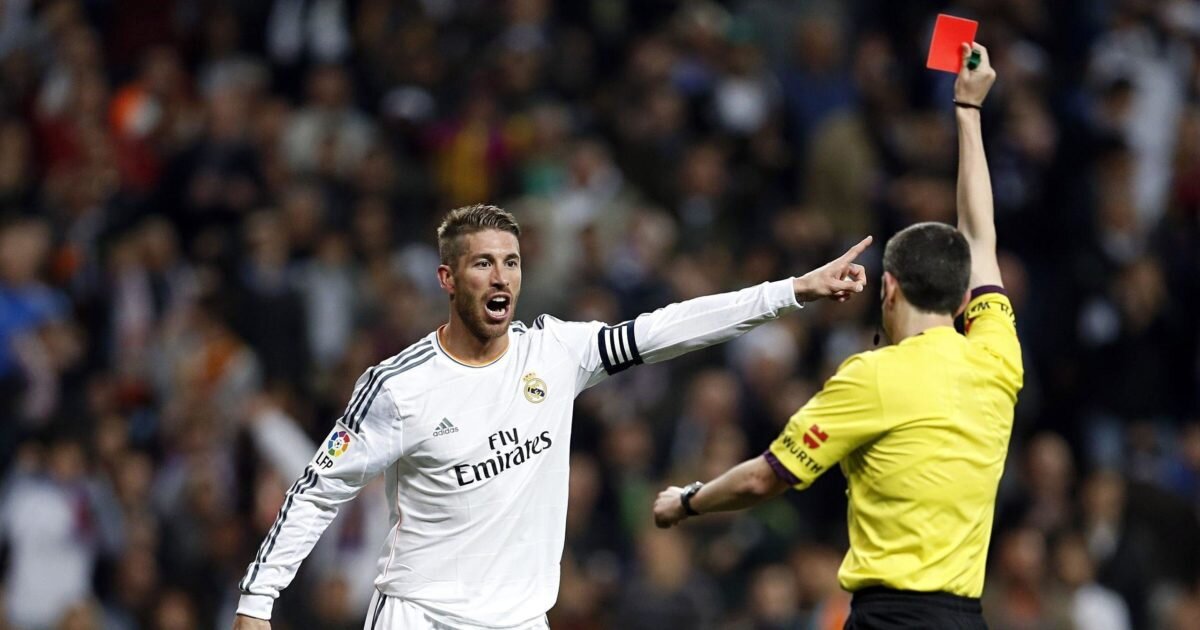
The 2022 World Cup is continuing now. So much soccer! So many Americans don't care about soccer, yet I do like what the game does to bring together fans from all nations, to keep the mind sharp, and to show that soccer is indeed a beautiful game. For example, top tier players run from 5 - 9 miles during a 90 - minute match. Insane fitness! Some athletic prowess is displayed at breakneck speed, with players making split - second decisions that often result in glorious celebrations.
I'm building a sports analogy here. A sport that demands of elite players, high levels of energy expenditure, continual problem solving 'on the fly', and grand operatic waves of emotional release....soccer encourages you to take the long view in life. The game seems to last so long (for many Americans, anyway), but a Major League Baseball game can go 3 or more hours. Soccer has almost no commercials! You're continually focused in a soccer match, so that if the score goes awry for your side, you need to have an answer.
That idea - having an answer - is a critical tool in your toolbox for today's world, especially for those of us working in education or healthcare. Reality can change and change fast, as the last six years have taught us. Whoever is over you, may play favorites against you. Before you know it, time is running out! How does life imitate sport, colleagues? What are ways for CSD professionals to find an answer, as a team of 11 soccer players is forced to find an answer?
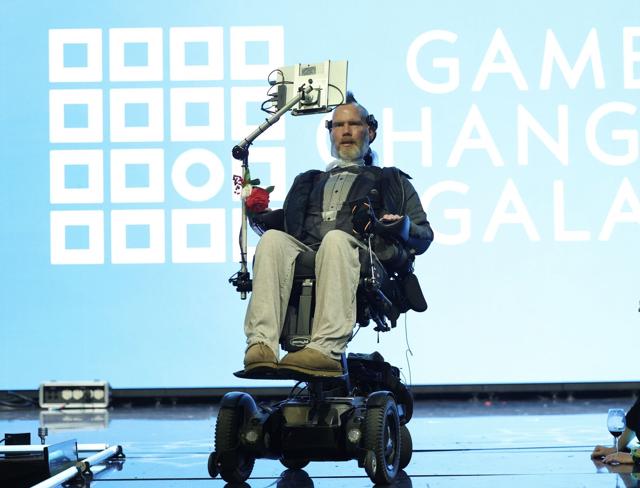
Reality changing? It might be that a regulation was changed - as Medicare had declared at one time, a speech generating device for severely speech impaired persons might have its communication software active, but not its Internet connectibility. The Steve Gleason Act, passed by Congress and signed by the President, did help resolve this issue. Gleason is the former NFL defensive player who has lived with ALS for over 10 years. Gleason's advocacy for himself and his peers, helped regulators see that making available a full range of speech technology services for consumers, was the best opportunity to increase their quality of life.
My supervisors, managers and directors, for various jobs throughout the years, have occasionally made decisions about consumer referrals that seemed - from outer space! And that doesn't account for the physicians who have either declined to refer to you as an SLP, or have declined to consider SLP involvement with a consumer in need. In a similar vein, a manager or administrator over a case will sometimes defer using SLP, saying "OT can do cognition". Yes, there is pressure to strictly manage utilization of services, because getting paid does depend on that good judgement. Ultimately, these leaders have to answer the question that might read, "If we're not using those services that often, why do we have them?". This dilemma is best met by - constant MARKETING. This is what we do; this is why SLP is the profession you should choose, to meet this need. https://ashacertified.org/ is an example of a website, that cab inform referral sources of the high standards YOU must meet.
Speech-language pathologists and audiologists are under constant pressure to achieve positive results for consumers, and do it more quickly than ever before. Guidelines for clinical practice have firmer timelines. When the professional keeps an eye on the clock, you're part of a wise team of professionals that can engage on a goal for maximum effect. Whether it's an eight-week episode of treatments, a 48 - hour time for turnaround of documentation, a weekly window to get in recommended visits, or a two - hour limit for a visit + documentation time; - be proactive, organized and observant.
Political
instability; Economic turmoil; poverty; war; climate change, and all the remaining
forces in our lives - they all intersect through the food we need to survive
and thrive. There are many perspectives
on what food does for people, but here are just a few.
Celebrity chef and
humanitarian Jose’ Andres’ says “food is everything”[i]. Andres’ goes on to say that he believes
that people who eat, should also think about what eating accomplishes.
The late Dr. Paul
Farmer, co – founder of Partners in Health and a pioneer in managing health
inequities throughout the world, pointed out that food security, like many
other goals of a public health initiative, is the product of countering ‘failures
of imagination’ and harnessing the ‘power of partnership’.[ii]
Vice President
under Franklin Roosevelt, Henry Wallace was quoted as saying ‘the soil is the
mother of man and if we forget her, life eventually weakens’[iii]
Food is at the
center of all aspects of our existence. We have a responsibility to help those
in our community, who do not have the resources to get the best food for
themselves. It may be one of the clearest pieces of evidence, that public
health is intertwined with finding solutions to social problems. [iv]
Residents of the
South and West sides of Chicago will benefit from the work of a three – year project,
designed to bring sources of nutritionally dense, reasonably priced vegetable
protein to their homes, their gardens, and their community’s sources of food. A
not – for – profit organization named “Field Pea, Incorporated” will be formed
in accordance with Illinois law[v] to implement this project.
Over the three
years envisioned for the life of the project, staff and community participants
will take part in activities to produce and distribute vegetable
protein – with emphasis on using the field pea as a primary protein source – as
well as to educate consumers on the food products’ possible uses, and to
celebrate the lives of the cultures who celebrate the vegetable protein
as theirs.
Goals for the
project will include the following:
·Can residents of Chicago’s south and west side
neighborhoods, accept increased use of vegetable protein in their diets?
·Can the networks of food security programs
supporting these neighborhoods, augment their annual crops grown with a greater
variety of legumes, such as field peas?
·Can community members who incorporate greater
amounts of vegetable protein in their diet, see improvements in their cardiovascular
health?
Chicago’s South and
West side residents have received and are receiving numerous interventions to
better their food security. [vi] The emphasis on providing fresh produce to residents
has led to the development of numerous community and school gardens, urban farms,
and educational consortia. These programs have regardless, reported vague
relationships between increased access to fresh produce, and the cardiovascular
health of the neighborhood populations.
Cardiovascular
disease (CVD), through the twentieth century, had been the most common cause of
mortality and morbidity in the United States. [vii] A recent frame of reference towards the management
of CVD is “Life’s Essential 8”, a program of the American Heart Association which
serves consumers to help them manage cardiovascular risk factors. [viii] Managing diet while using this framework,
consumers may expect to see effects on many of the other seven factors (e.g., weight
control, blood pressure/cholesterol/sugar) affecting their health.
Making vegetable
protein an emphasis of this project will give project managers incentive to
explore a hypothesis; namely, that incorporating such a food source can
significantly affect blood cholesterol, blood sugar and blood pressure.
Bringing in foods of the various cultural groups around metro Chicago, where
field pea protein is a core ingredient of a dish, may serve to give these groups
incentive to come together in other ways.
What will happen during
this project? Grants, donations, and fund-raising will be the sources of income
for the project facility, to be housed within either the Chicago High School
for Agricultural Sciences[ix] or Windy City Harvest’s ‘Farm on Ogden’[x]. Each facility brings together resources
for agriculture and food science/technology. During year one, staff to
administer the program – an Executive Director, an Administrative Assistant, a
Volunteer Coordinator, and an Education Coordinator – will be hired. A Board of
Directors will be selected, who will then initiate the first annual series of
community forums. Community input will be gathered to focus the project’s goals,
on an annual basis.
Staff and
volunteers select and prepare a demonstration garden, to start the
annual crop of vegetable protein. One commercial seed catalog advertises twenty
– two varieties of field pea alone. [xi] Companion vegetable plants for field peas,
which may serve to protect the peas from pests and increase yields, may include
beans, carrots, corn, cucumbers, radishes, and turnips[xii]. Flowers that will complement the
vegetables will include marigolds, nasturtiums, and sunflowers[xiii]
Working parallel to
the demonstration garden will be the demonstration kitchen, needed to trial
recipes and food products attractive to the target populations of Chicago
neighborhoods. For example, field peas
with rice may be made into a patty, a sausage, a hoppin’ john, or a loaf. The
kitchen will also be available to trial field pea dishes, from cultures around
the world with emigres in Chicago that include:
·India: curry, masala
·Pakistan: peas with spinach and dill
·Brazil: akara
·Indonesia: sambal goreng
·Kenya: kunde, red red
·Syria: lubia (has meat)
·Egypt: loubiya (vegan)
The demonstration garden
should only bear vegetable plants that are native to the northeast Illinois region.
Since rice is only grown in southern Illinois, grains that will complement the
legumes (i.e., supplying essential amino acids for which legumes are deficient)
include winter wheat, rye, triticale, spelt and oats. [xiv][xv]
The project will
also benefit from use of offices for administrative staff, an auditorium in
which consumers and interested parties can attend educational programs, a store
for dispensing food product to neighborhood consumers, and a multi – purpose room
for other community activities. Project activities will seek to make the project
center a community hub, where citizens may come together to share not only
food, but also other commonalities with their neighbors.
During year two and
three of the project, staff and volunteers will seek to expand the production
and distribution of the food products developed in year one, while encouraging
community partners (restaurants, schools, hospitality industry training programs,
community gardens, urban farms) to use the product. Another linchpin of the project
will be the development of student affiliations with metro area vocational and professional
training programs, in disciplines that include hospitality, agriculture,
horticulture; physical, occupational and speech therapy; nutrition, marketing, and
medicine.
The Southern Foodways
Alliance Fall Symposium in Oxford, Mississippi,[xvi] will be an ideal forum to review the
project and its outcomes, during the final year of the project. A final
community forum led by the project Board will draw the project to a close.
Proust’s
REMEMBRANCE OF THINGS PAST made famous the madeleine cookie. Now, it’s time to ‘remember’
the field pea.
[vii]
Dalen, James E., Alpert, Joseph E., Goldberg, Robert J. and Weinstein, Ronald
S., “The Epidemic of the 20th Century: Coronary Heart Disease”,
AMERICAN JOURNAL OF MEDICINE, 127 (9), September 2014, 807-12. https://pubmed.ncbi.nlm.nih.gov/24811552/
Accessed October 17, 2022.
[xvi]
Southern Foodways Alliance. University of Mississippi: Center for the Study of
Southern Culture. https://www.southernfoodways.org/
Accessed October 17, 2022.