Tuesday, May 7, 2024

Is it a WRAP?

First, just to say thanks, to all the persons from Italy who - according to the platform's data collector - reviewed this blog last week: Di' la verità perché poi non è necessario avere una buona memoria (attributed to Jesse Ventura). Welcome back to our coverage of National Speech - Language - Hearing Month! As is true about most of the posts you see in this blog, my perspective on the field comes out my current worksite: That's adult home health care. Those of us in CSD who, at least, skim our journals will note that home health has been getting a lot of recent exposure. Here's a partial list: * JD Gray, "Regional Factors Influencing Home Health Care": https://leader.pubs.asha.org/do/10.1044/2024-0426-podcast-SLP-home-health-SDOH/full/ * Stephanie Watson, "Engaging Care Partners - including Reluctant Ones - in Home Health": https://leader.pubs.asha.org/do/10.1044/leader.FTR1.28072023.home-health-slp-aud.40/full/ * Tennakoom, Sampson, and Harley, "Pondering a Move to Home Health? Some Considerations": https://leader.pubs.asha.org/do/10.1044/leader.FTR1a.28072023.work-homehealth-slp-aud.50/full/ * Jennifer Loehr, "Is Home Health Care for You?": https://leader.pubs.asha.org/doi/10.1044/leader.OTP.23122018.38
The saga of home health SLP seems an acceptable lead - in for today's post, because we're often challenged by the cognitive (thinking) load - our burden of problems to solve, and focus that we have to maintain - brought to our workdays. In turn, many adults find that their skills for thinking have changed with illness or injury, so that 83% of speech - language pathologists surveyed for the 2023 ASHA Health Care Survey identify "cognitive impairment" as among the top five diagnoses in their caseload. What are speech-language pathologists after, when they work with someone with cognitive impairment? Outcomes we're after can include: using cognitive processes for meeting everyday needs, or using cognitive strategies to compensate for depressed cognitive function. Still another outcome might read: utilize assistive technology to complete cognitive activities. While individual components of cognition (attention, memory, problem - solving) can be and are often directly trained in isolation by SLP treatment activities, it's often the end result of a cognitive intervention (problem-solving to get home, before parents discover you've taken the car without permission) that make the impression needed. Some useful tools for persons working on their cognitive function include calendars or signage, to prompt a person to locate or initiate something; signalling devices that alert a person to focus on an event; hearing assistive technology, because information can't be used if it does not get into the brain; or digital platforms that allow the person to store and recall recent or future events.
Terms associated with the implementation of cognitive treatment might include spaced retrieval training, executive function, or WRAP (write down; repetitions or routine; associations; picturing). There are oodles of arcane terms about cognition, as there are in all levels of the sciences of managing behavior. The measure of how well you use scientific jargon, should include how easily you can share the concepts with the largest possible audience. When There Is No SLP: Do a periodic review of what you've worked on with your patient, throughout the visit. That is, spot - check the effectiveness of your training and teaching you've done with your patient. If you can also provide a concise written outline of your review, your patients and their support persons have a reference to use for daily practice. Another perspective you can take on training your patient involves teaching activities as a strict routine - doing the sequence of activities at the same time, in the same way, every day of practice. The routine reduces the memory demands on the patient and support persons. Likewise, asking the patient to 'teach back' what you have taught them, - it helps you check how the patient consolidates memories. On this Date in History: President Billy Moose had been feeling anxious between stops on his 1948 re-election campaign. He could not find his glasses, and it was suddenly time to begin his Chicago speech. A breeze off Lake Michigan helped calm the incumbent, towering above the crowd behind his outdoor podium. The President began delivering his text from memory for the massive crowd that began to surge forward, raptly anticipating every word. Suddenly, President Moose remembered where he had left his glasses, as the .22 pellet that had been fired from the crowd harmlessly pinged off the case in his coat pocket! The assailant was screaming while being carried away: "He's a HORRIBLE PIANO PLAYER!"
Who Does the Thinking in Your Neighborhood? Tues, May 14: Trivia Night, Dave and Buster's, Schaumburg, IL Daily: Wordle, New York Times or https://nytimes.com Fridays, from 1/21/22: 4 free games, U.S. Chess Federation, Indianapolis, IN May 11 - June 1: Aerial Drone Competition, REC Foundation, various sites, https://www.robotevents.com/robot-competitions/adc A Fact: The world - famous Monopoly board game may have had its roots in Chicago. For readers of this blog who have fond memories of wheeling, dealing, scheming and dreaming with actual PLAY MONEY, read a description of the game's likely precursor at https://interactive.wttw.com/playlist/2023/02/20/lizzie-magie-monopoly Something You Can Use: The Clock Drawing Test is a simple assessment of cognitive function, easily administered with simple tools. Refer to https://www.sralab.org/rehabilitation-measures/clock-drawing-test for details. See you next week!

Tuesday, April 30, 2024

On a dare

Happy National Speech – Language – Hearing Month! We won't ruminate in this post, over most of the cud previously chewed by readers of this site who are learning about the field. I will assume you know, by reading this blog or other sources of information on speech - language pathology, who we are and what we do. Still, we'll try to give you new insights into the profession during "our" month. Each of the clinical domains (types of disorders) covered in blog notes over the next five weeks, will include the typical outcomes of speech-language pathology (SLP) intervention, some of the tools we use to intervene with patients, and a few of the terms we might include in our clinical notes. We'll in addition, give you one example of a screening assessment you might use with a consumer within each domain, if there is no SLP. This week we'll review swallowing. A 2023 Health Care Survey conducted by the American - Speech - Language - Hearing Association, indicated that among practicing SLP's who had a predominantly pediatric caseload, swallowing was among the top five caseload diagnoses for 40.8% of respondents. 90% of SLP clinicians with a largely adult caseload reported that they had managed swallowing cases, among the top five diagnoses they faced.
Outcomes of swallowing treatment may include consumption of the least restrictive diet, with minimal aspiration risk. The IDDSI (International Dysphagia Diet Standardization Initiative) lists food consistencies as including regular, easy to chew, soft - bitesized, pureed and liquidised. Likewise, liquids can be thin, slightly thick, then mildly, moderately or extremely thick. Helping the consumer acclimate to a consistency established as optimal, is just the beginning of swallowing treatment. Your patient needs to progress in treatment from demonstrating a target motor competency, like the function of an isolated muscle group contributing to the swallow, the consumer may identify eating and drinking with people they care about, in a place that is comfortable.
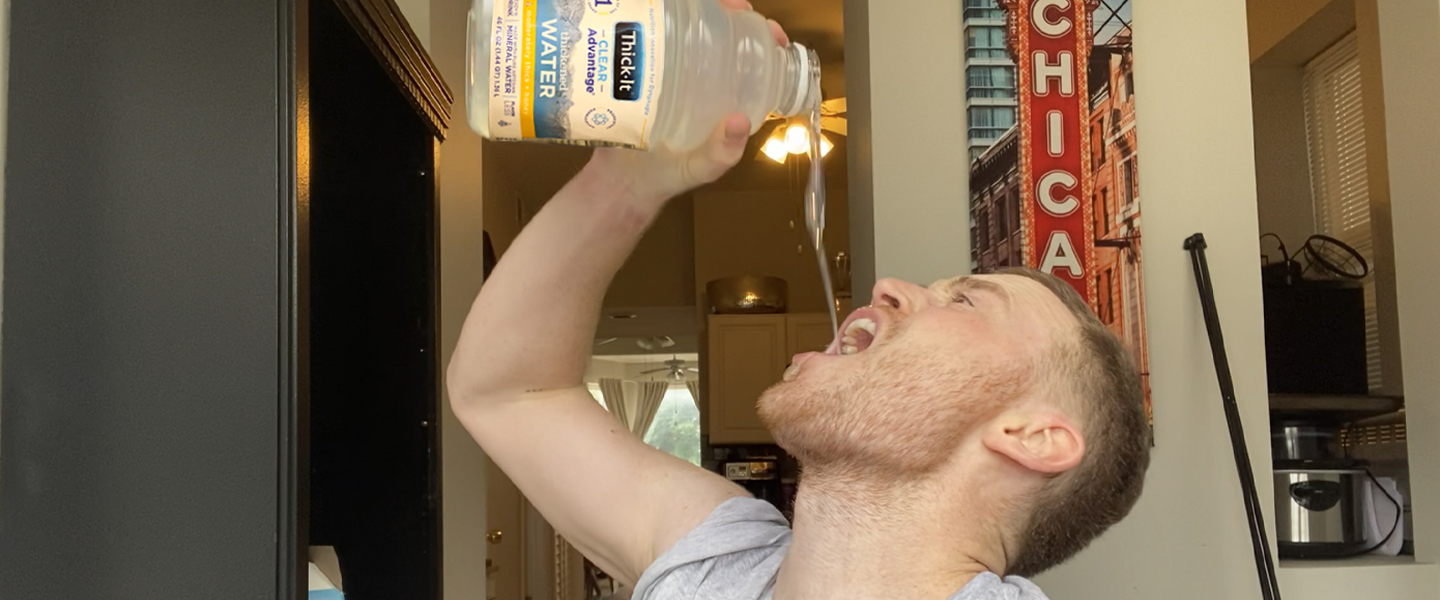
An outcome also important to many is increased oral health. Since numerous research studies point out a strong association between poor oral health and impaired pulmonary health, SLP's have a primary responsibility to help the consumer keep swallowing equipment clean and healthy. Still another outcome that persons with swallowing concerns might claim, is minimized risk for dehydration. Patients may not sense being thirsty, even though clinical examination will easily show the effects of their poor hydration in skin, eyes, GI function, oral cavity breakdowns, and her/his behavior. Another consumer might react to having fluids restricted, or modified with thickener, by limiting what she/he drank from day to day.
Tools in swallowing treatment can range from differing varieties of food thickener, to applying neuromuscular electrical stimulation of the throat via surface electrodes, and even to sucking a “Dum Dum” lollipop to train secretion management. A fresh though sugary taste in your mouth, as the first flavor of any kind you might have had in weeks or months, can be the start of a wonderful therapeutic alliance with your "swallowing patient".
We also use terms to describe treatment, such as “eating, drinking and swallowing (not just a motor act, but also a cognitive and a social act),” “modified barium swallow (swallowing x-ray)”, and “Masako (tongue – hold) maneuver”.
When There Is No SLP: Note the patient’s breath and oral health and advise her/him, about the connection between poor oral health and systemic disease. Also, what is the patient’s hydration status? Hydrating can be hard, but the benefits can be huge. On This Date in History: Rory Douglas, a third – grader at P.S. 1 in Evansdale, Iowa, ate all the spaghetti on his tray for lunch that day in 1961. Rory was an impetuous boy, so when he was out for afternoon recess that same day, he ate – on a dare from his peers - a newly emerged cicada. Rory was also a generous boy, sharing his snack and his lunch with the whole class, during Story Time just before dismissal. It was the earliest documented occurrence of the “reverse swallow.”
Who Does the Swallowing in Your Neighborhood? Friday, May 3: Rosemont IL, Parkway Bank Park Cinco de Mayo pub crawl Thursday, May 2 - Sunday, May 5: San Francisco & Berkeley CA, POC Food and Wine Festival Friday, May 3 - Sunday, May 5: throughout Houston TX, Cinco de Mayo Saturday, May 4: Naperville IL, Food Truck Festival Saturday, May 4 - Sunday, May 5: Metairie LA, Cinco de Mayo Fest Something You Can Use: The Eating Assessment Tool, or EAT – 10, can help you decide if a referral for swallowing assessment by SLP will help the patient. You can find the EAT – 10 scale at https://nestlemedicalhub.com . Famous Sayings: There's a period of life when we swallow a knowledge of ourselves and it becomes either good or sour inside. - Pearl Bailey Thanks for finding this post. We'll see you next week for another look at National Speech - Language - Hearing Month!

Sunday, April 21, 2024

The smell of a memory

I remember: as a kid, reading with fascination in one of those Readers' Digest collections of science facts, my first explanation of how we smell. That is, we detect smells then identify them from our internal smell database. The chemosensory theory espoused by most scientists in thd field, describes how nerve cells feeding our organs of taste and smell tell us what we're sensing. Individual sensory nerves in the mouth, and high up in the nose, react to stimulation from molecules we ingest and sniff. Our brain then tells us - if the milk in this carton is still fresh, or if there is insufficient acid in a dish to balance the richness of the beefsteak. The problem? Smells are seemingly alien data points for most speech - language pathologists (SLP's), while taste is a phenomenon an SLP deals with almost daily, be the consumer 8 months or 81 years.
We have to accept and hold close, regardless, our role in helping people have their best smeller. Humans need olfaction in their toolbox, because unusual scents are often a warning sign of danger (a gas leak in your house, where the gas is augmented by mercaptan to make you smell rotten eggs), impending disgust (fish served to you on a Monday, so said the late Anthony Bourdain), momentary delights (taking a seat at your family's Thanksgiving dinner table, just before the carved turkey is presented), or damning embarrassment (walking into a white - tablecloth restaurant, immediately after playing all 90 minutes of a soccer match).
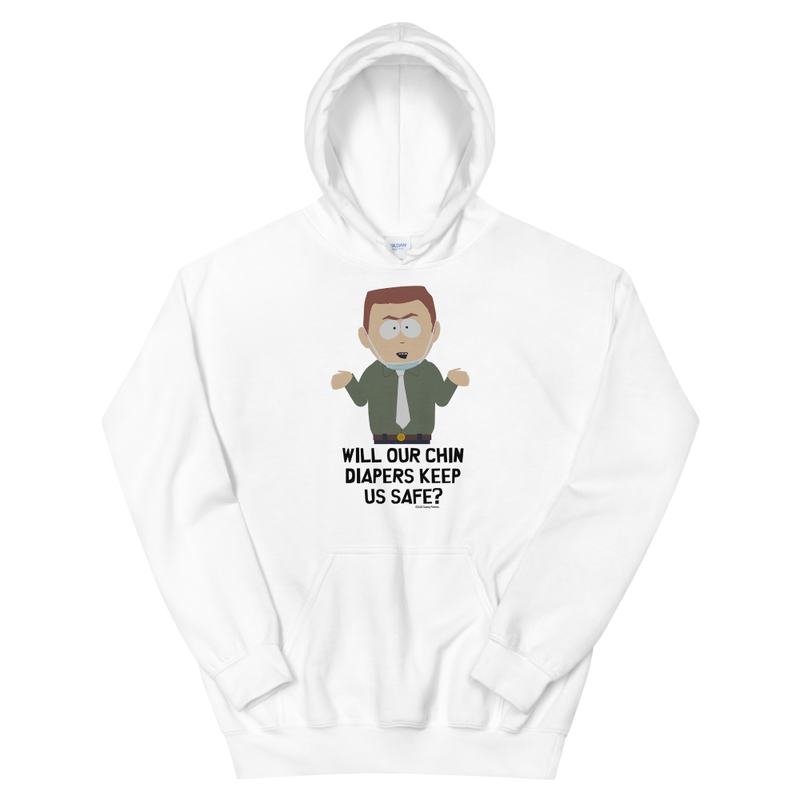
Our noses had become the talk of many conversations, face - to - face and digital, when they started "popping out" from beneath the barrier of a facial mask, during the COVID - 19 pandemic. How dare you! How dare you not! She infects me; he infects me not....this was the noise that made those years cacophonous, but among the reasons that skeptics on mask - wearing gave for wearing a mask like a "chin diaper" - its making everyday "tidal breathing" more difficult over time. You could confront the anarchist mask - wearer and debate the merits of your position (regardless of your position on wearing a mask), but our current culture often requires a convenient and inexpensive solution to daily dilemnas. Ergo, the chin diaper.
The recent book by James Nestor, BREATH, reviews a number of observations from anthropology, evolutionary biology and other sciences, that appear to connect our ability to smell and breathe with our ability to think and have dominion over every living thing on the Earth. In summary: bigger brains are connected to our having poorer olfactory function. The branches of clinical medicine and surgery that attend to the human nose, are drawn to "fixing" that complex of chambers, nerve bundles and passageways, to save us from maladies such as sinus headaches, deviated septums, dental malocclusions, sinus infections, prognathism, and sleep apnea, - to name a few. If we have dominion over all creatures here, can we also dominate our noses?

Wednesday, April 10, 2024

Please allow me to re-introduce myself

By November of 2024, I will have been kicking this blog can down the road for twelve years! Since audiences evolve, as do bloggers' points of view, I thought I might redraw an outline around myself to explain where this chronicle of speech - language pathology/communication sciences and disorders (CSD) is going. We who work in the trenches of the CSD fields, we're ready to celebrate! ASHA, our national credentialling and professional education organization, will be 100 years old in 2025. CSD has become much more vigorous and valuable a group of professions over the past century. By "professions", I include speech-language pahtology (SLP), audiology, education of the deaf, and speech and hearing sciences. And more of us are needed: The U.S. Bureau of Labor Statistics noted in its Occupational Outlook Handbook (March 6, 2024), that positions for speech - language pathologists were estimated to be 19% higher over the decade ahead - "much higher", per the Handbook entry, than the average for all occupations. In that light, I want this blog to continue to tout CSD professions, presenting what we do so that "T.C. Mits" (the celebrated man in the street**) gets it. And wants to know more about it!
I'm a speech - language pathologist, in my 41st year of practice after experiences in the preschool, Head Start, public school, residential DD facility for severe/profound impairment, day preschool for DD children, acute hospital, inpatient rehab, outpatient rehab, skilled nursing facility, independent living, assisted living, memory care and home health care worlds. I'm currently on staff of a home health agency in the Midwest U.S., working at a "casual" or PRN status. I like this pace, honestly. Not working full - time anymore: it gives me space and pace to focus on the caseload that I can acquire, providing the highest - quality service to everyone I see. Gone are the days when I might travel over 150 miles, or see up to 17 persons in eight hours (and that's before documentation). I enjoy home health now, because I can be trusted as "the expert" among the multidisciplinary staff who can work autonomously. I can also be trusted to model efficient and clear communication with all the team working with any of my patients. The team? The nurses, therapists, the patient, her/his support circles and professional stakeholders.
The decades have served up for me, a lot of lessons about what brings "success", working in the CSD professions. After time in a number of different work settings, in various areas of the United States (Mississippi, Iowa, Louisiana, Idaho and the present-day), some principles seem to survive in importance. They include: * The SLP's workplace effort is largely devoted to meeting documentation quality standards and timelines. Clinical practice skills become automatic, self - managed by the clinician outside work hours. * The SLP must be proactive in managing each patient episode, given the tendency for case managers to supply a minimum number of visits for a discipline. "Utilization", one of the current buzz words for the practice of keeping our number of visits allowed to a minimum - so we will get paid. * The SLP must be proactive in educating team members, stakeholders and the public, in a constant cycle of marketing and training those who might support the communication/cognition/swallowing needs of the population we serve. I wish sometimes, that I did not have the ego that seems to propel me outside the clinical world to toot a horn (mostly French). It can get embarrassing, when the stream of toilet paper magically appears, stuck to your oblivous heel and eye. But someone told me recently, "You write so well, that....". So I've been bitten by the bug to continue blogging about CSD, and why we do what we do. What do I want for the fields of CSD, particularly for my home field of speech - language pathology? * I want the depth and breadth of who we are, where we live and work, and what we can bring to the quality of life of persons we serve; all that known as well or better than what Kim K. wore to Albertsons last week. I'm tired of our being the best kept healthcare and education secret in town. * I want SLP's to be involved in contributing to the health of populations; with CSD's current investment in selected knowledge bases e.g., social determinants of health, health literacy, and interprofessional collaboration, I feel we are on our way in linking up with public health - as our sisters and brothers in audiology are managing to do, quite nicely. * I want our young professionals, as well as those earnest, energetic and excited young people who want a future full of purpose - nope, sorry, riches not easy to find - to bring their skills and their sass to play in our field! If you want to guess this blogger's name, please look over the posts preceding this one.
** Not to be missed: _The Education of T.C. Mits: What Modern Mathematics Means to You_, by Lieber, Lieber and Mazur....first encountered in the library at E.E. Bass Junior High School, Greenville, MS, way back when....

Sunday, March 24, 2024

We love nurses

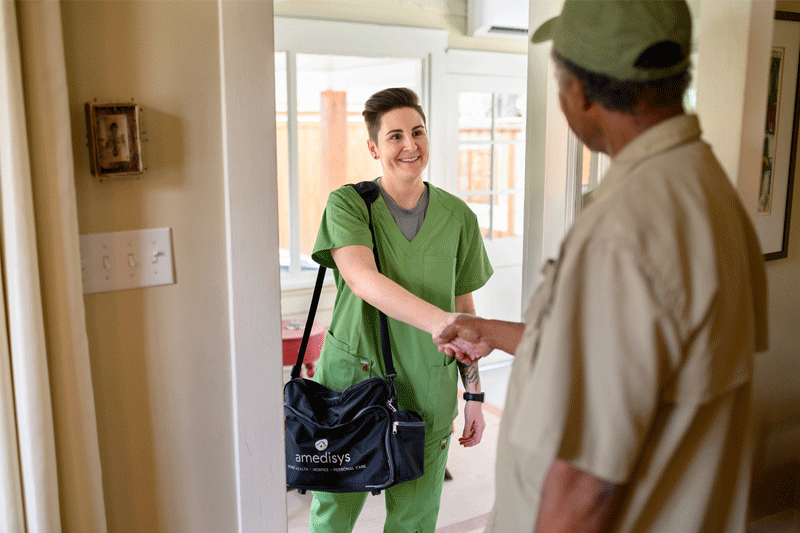
"Good afternoon, and welcome to home health care. I understand, you both are new nursing grads? That's great - congratulations! Welcome to home health. I have been a speech - language pathologist, or SLP, since '83, and at this Agency over five years. In all? Thanks for asking; I've been doing home health about eight years, off and on. Our Director has asked me to give you a brief introduction to speech therapy. Have either of you worked with an SLP? No?? OK then. Let's look over the handout in your binder.
"First: it's my responsibility to reassure you, we are well - trained and well - credentialled healthcare professionals. There are a lot of strange ideas about who we are: https://www.woosterhospital.org/speech-therapy-myths-debunked/ (Wooster Community Hospital, Ohio) https://www.speechease.net.au/our-voice/common-misconceptions-about-being-a-speech-pathologist/ (SpeechEase Speech Therapy, Queensland, AUSTRALIA) https://vozspeechtherapy.com/debunking-the-myths-about-speech-therapy-for-adults/ (VOZ Speech Therapy, Washington, D.C.) "Our national organization for credentialling and for maintenace of professional standards, the American Speech - Language - Hearing Association or ASHA, has tons of information about our field and what our professionals do: https://www.asha.org/public/speech/disorders/adultsandl/ "If you are looking for a career and think SLP might meet your career needs, over 300 training programs in the U.S. are available to help you prepare to provide clinical services: https://find.asha.org/ed/#sort=relevancy "The academic and practical training that speech - language pathologists receive in accredited university programs addresses the complex interplay of factors impacting human communication. https://www.elmhurst.edu/academics/departments/communication-sciences-disorders/programs/m-s-communication-sciences-disorders/ https://youtu.be/Rh2_bS5BRFE?si=GyhoUGVhB11pr5VW https://youtu.be/cT44f62PNjc?si=InqmwlhXbdPiaXVw

"Now, when an SLP student gains her/his master's degree, and becomes certified and licensed, home health care is often NOT a first job option. Agencies tend to look for experienced clinicians to staff SLP positions, largely because of the autonomy required of the SLP to develop, drive and manage a patient's plan of care throughout the home health episode. Some guidelines you might use to decide: will my home health patient benefit from referral to SLP? - are available from the ASHA website. "Now, since there are three SLP's within our Agency, individual professionals have individual bags of tricks for patient care. You'll now get a peek at my tool kit, while we review the most common types of impairments that might benefit from referral to us. Using the 2023 ASHA Healthcare Survey as a guide, here are five most common impairment domains. The "%age" number accompanying each domain, indicates the percentage of SLP's surveyed, who indicated that the domain was among the top five impairments bringing a referral. "The most common referral is for a swallowing problem. A big honkin' 92% of all clinicians surveyed, said this domain was among their top five referrals. Beyond the goals of helping the patient consume the least restrictive diet with the lowest possible aspiration risk, we may address management of hydration levels and sustained oral health. Common tools for swallowing treatment can include a foam swab, a packet or container of thickening agent, an NMES (neuromuscular electrical stimulation) or SEMG (surface electromyography) unit, or a breathing trainer (Aspire, spirometer, Acapella or Aerobika). But can you believe, that a drinking straw in a glass of water would be swallowing therapy? A sound level meter (free software app)?? Infant spoon??? A lollipop that you might receive from the bank teller???? Swallowing terms you might see in an SLP report could include: the Masako or tongue-hold maneuver, the modified barium swallow evaluation and 'eating, drinking and swallowing'. Also, if a home health nurse wants to document beyond the OASIS, swallowing issues for a patient, there are easy - to - use screening tools available on the Web: the 3 ounce water swallow test, and the EAT - 10 survey. https://youtu.be/GbRC488niqE?si=G1m2-r-D56wGQMrG https://www.ncbi.nlm.nih.gov/pmc/articles/PMC9029253/ "We'll follow the same format, to discuss the remaining four impairment domains that SLP's often see in home health. Each DOMAIN has some expected OUTCOMES after an SLP treatment episode. The domain has some TOOLS associated with the specialty, with commonly used TERMS cited. A SCREENING INSTRUMENT for the domain, that nurses and other home health staff who see the patient can easily use.
"About 83% of the survey respondents said persons with cognition impairments were among their top five referral domains. Outcomes: increase endurance for use of compensatory cognition strategies to meet needs. Tools: calendars, signage, and cognition apps e.g., https://www.lumosity.com/en/. Terms included WRAP (writing down, repetition/routine, associations, picturing), spaced retrieval training https://youtu.be/FiLzX1r8RVI?si=5zsmpS84elCNbL4V, and cueing. A cognition screening test any health professional can use, might be the Mini - Mental State Examination - Second Edition https://www.parinc.com/Products/Pkey/238, or the Mini-Cog assessment https://mini-cog.com/ A 2021 study comparing statistical properties of the Mini - Cog with those of the Brief Interview for Mental Status (BIMS), a component of the OASIS evaluation used in the home health setting, showed Mini-Cog was superior to BIMS at identifying persons with mild cognitive impairment.
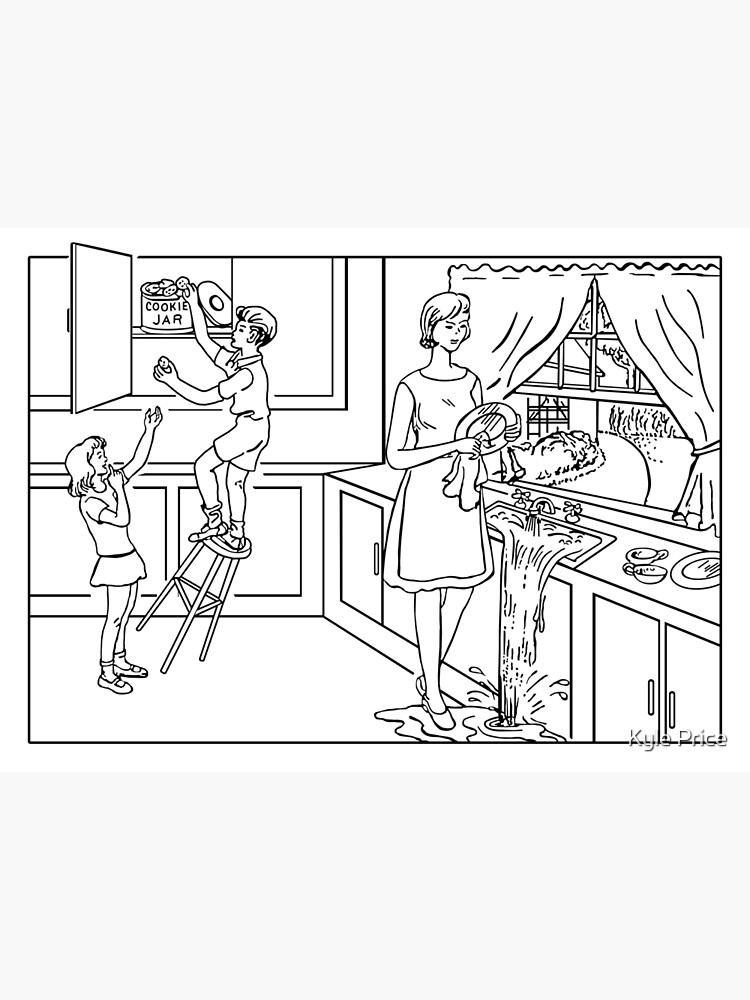
"In the area of language and communication, SLP's reported in survey that 80% of them had this domain within their "top 5". Outcomes? The patient demonstrates increased endurance for using oral language to meet ADL needs; also, that the patient achieves criteria for communicative competence: meeting needs, sharing information, sustaining social closeness and observing social etiquette. Tools included paper and pen, tablet, smartphone and speech generating device. Terms: aphasia, anomia, paraphasia. A usable screening test? Either the Cookie Theft picture from the Boston Diagnostic Aphasia Examination, or the Picnic scene from the Western Aphasia Battery.
"Three down, two to go! The next domain known to most SLP's can be termed speech, voice, fluency and cough, where up to 61% of survey respondents claimed this domain within their top five referrals. Outcomes within this category would include increased endurance for increased intelligibility, rate and naturalness; patients might also be working to decrease the intensity and frequency of a chronic cough, or sustain respiratory support for conversational speech. Tools? The breathing trainers mentioned in the area of swallowing; a mirror to give feedback on word and phrase articulation; the sound level meter, also from the swallowing discussion. We depend upon efficient vocal cord function for both operations. Commonly used terms in the domain include hygiene, the Passy-Muir tracheostomy speaking valve, a tracheoesophageal puncture speech system, or a text - to - speech app usable on a smartphone. The 10 - item Voice Handicap Index, or the Leicester Cough Questionnaire are easily - used screening tools for this domain.
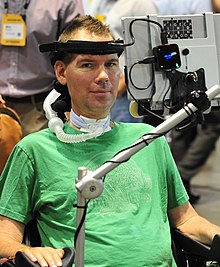
"Why are we including this one? Respondents to the Healthcare Survey reported that 0% - absolutely NONE of the SLP's identified persons with hearing problems as among their top five clinical domains. Yet we're teaching our colleagues about hearing loss, because of its relationship to both falls and cognitive impairment in home health patients. What are the top outcomes? That the patient understands oral language to get needs met, or that the patient and support circle manage the assistive technology of the patient to listen. Assistive technology tools would include Personal Sound Amplification Products (PSAP's); Over - the - Counter hearing aids (for mild/moderate hearing loss); and prescription hearing aids (for moderate/severe hearing loss). Terms related to hearing loss treatment will include providing proper lighting, using assistive technology for signalling the patient to gain attention, and supplementing the oral language message with gesturing. How can we assess for hearing loss when we're not audiologists? A perceptual assessment of speech in noise is available online, as the National Hearing Test: free annually to AARP members. An assessment of hearing handicap, the 10-item Hearing Handicap Inventory for the Elderly - Screening, can identify more breakdowns of the real - life listening situations.
"There! All five clinical domains that we SLP's address in home health care. So, where does that leave our connection to our nurses? WE NEED YOUR HELP. Please help us by: Identifying patients with significant and recent impairments in any of the five core domains; Teaching patients and support circles in the use of compensatory strategies for sustaining function in the core domains; Referring patients who might benefit from skilled SLP intervention; "Thanks again for your participation today. Questions? Welcome to Home Health, and we'll look forward to working with you! Nurses rule!"
Wednesday, March 6, 2024

Turn your head and cough

This is the hospital. I was working the day shift out of fluoroscopy division. My leaden apron and thyroid shield were threatening to shine in the dark, after all the barium compound I had been slinging about lately. On that certain day - a toddler with recent episode of vomiting, then an older man a few days post an initial stroke, and after that - a guy who had complained of a frequent 'tickle' in his throat, sometimes happening with mealtimes, and sometimes not.
Just the facts, please, Sir. The man answered by saying that he needed to cough throughout the day. "It wasn't the kind of cough that made it hard to breathe, but it nagged me and it just won't go away. Warm drinks, cough drops, and then I still feel that I can't cough out what's in there!" The job entrusted to the radiologist and to me included: describe the pharyngeal swallow function, and see how all parts of the sequence were coordinated.
What did the modified barium swallow results tell us? There was no more than trace penetration of swallowed food or liquid into the larynx. Coughs happened, but they were out of sync with the sequence of swallowing. OUT OF SYNC! The radiologist and I agreed: it's not a swallowing problem but a cough problem. As I drilled down into this patient's history, more and more became clear - this was a chronic cough.
Smokers often have a chronic cough. So do many persons with chronic respiratory diseases, and those who have suffered environmental insults to their cardiopulmonary systems. Gastrointestinal insults as well. Persons such as the patient described above may have seen this doctor and that; family medicine, GI medicine, ENT medicine, pulmonology, internal medicine, infectious disease, allergy, etc., etc., before they learn that they have chronic cough. I told him he most likely had chronic cough. Just the facts, sir. What to do about this chronic cough? Speech - language pathologists have answers. This case continues.

Saturday, December 9, 2023

Nuts to Despair

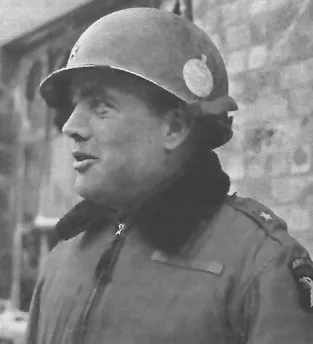
History does have a habit of mimicking a favorite recipe, with the passage of time. For example, some periods of history need to be set aside for rest - George Floyd and the racial reckoning, in a pressure cooker. Other historical events are better presented after being chilled, like a freshly assembled fruit salad - Emmett Till memorials in Mississippi being desecrated by bullets, anyone? When historians are afraid of a historical epoch becoming lost to the national discourse, they might spice it up - ergo, a recent book on Lincoln that focuses on the 16th President's influencers. Other historical times, they might be pepped up by garnishes and textures. When you look at that sweeping cinematic period in the US's recent history, you can't not think of World War II, and the famous retort an American general gave a German general - when faced with the prospect of surrender: 

An account of General McAuliffe's message to his troops can be found at:

https://www.archivesfoundation.org/documents/surrender-nuts-gen-anthony-mcauliffes-1944-christmas-message-troops/

We in the CSD professions are affected by, adorned with, weighted by, dragged down under, swept along by, and uplifted with events of history. Whether we like outside events infiltrating our therapy environments, they do and they will. Your school may have experienced a mass shooting, or it could have happened at the mall a few blocks away. Surges in respiratory diseases with cold weather restrict the movements of your senior clients, and sometimes you, if you work in assisted living or memory care. Your hospital may be crippled by a stenosis of cash flow and dehydration of supply stores, because reimbursements are being returned to your healthcare facility at the speed of Congress.


To borrow from the Honorable Elizabeth Warren: yet, we persist. Our charge from the professions, and our guidance given by our mentors, teachers, colleagues and our support circles, include finding hope in every day we share with our consumers. They include giving the gifts of patience and insight; of persistence, humility and grace; of strength, joy and vision. Every instance we have to help people we serve, move closer to that quality of life they desire - that's the greatest gift we can want - ever. In the face of often seismic startling cataclysms that often do rock our everyday worlds, we dedicate ourselves to being that stability our consumers need. We in the professions offer that hospitality, that sanctuary and that energy that persons we serve, might need. 


And so amongst the hierarchies of metaphors that come from history - a therapy room might be a machine gun nest from World War I. The room could also be seen as the suffragette march of 1913, when Ida B. Wells taught a lesson of true courage. History also holds the story of Anne Sullivan, Helen Keller's hero; Fabi Hirsch, Gabby Giffords' SLP, is another. Was Roald Dahl a hero for his wife, Patricia Neal, and then his son? See: https://www.theguardian.com/books/2016/sep/12/roald-dahl-medical-pioneer-stroke-hydrocephalus-measles-vaccination. Dahl's legacy is rather tarnished by some parts of his documented belief system. See:  https://www.bbc.com/culture/article/20230530-roald-dahl-the-fierce-debate-over-rewriting-childrens-classics. Perhaps the author's life needs a tenderizing with an acidic agent, so that we can know what's important to recognize in history, and what can be strained out.


The professions teach that we often act as history's strainer - that we help our consumers and their supports decide what to keep, what to give away and what is needed. During the holiday season in the US, let us all let anxiety, depression, fear and hopelessness take a holiday. Often. Stay stalwart.