There is about you a constant level of background chatter as the day starts. When you wake and look about, everyone that is talking seems hard to understand; when you attempt to speak to those gathered about your bed - "Ah, good morning!" - they look curious, then quizzical then - forceful, accusatory then - condescending. "She just doesn't understand". "We'll keep her safe but - let's move on".
You might think she had suffered a stroke or some other disruption of consciousness; but, no - it was the aftermath of a political campaign. She saw the world as "A", while her interrogators were "B" folk.
And, like most people who base their quality of life and - their livelihood, on fluid and robust communication, misunderstandings and BREAKDOWNS in communication, like the political morass of the age, impassion her - and me - to give the best advice and guidance for conversational REPAIR. Communication is pretty wonderful, because we realize - in the nick of time - its habitual breakdown poses significant DANGER to the health of our social structures. What to do, as you maneuver the body social and politic in these times?
Speech-language pathologists often help the people we serve measure their meandering for conversation, then develop and implement successful strategies that approach straight lines of sharing information. Some of the clinical strategies can be applied to conversations the general public is having at this historical crossroads. In general, the strategies can include:
* Don't make noise and don't encourage any noise. Though you and your conversation partner may continue to harbor strong emotions about your side, communicate with just enough emotion through the clarity of your arguments, and not via the pH level of your insults.
*Approach the conversation by conveying in words and actions, - I am here to share. I am here to understand. I am not here to fight . Your sharing that message may encourage the partner to adopt the same position. If either you or the partner approaches the invitation with a high level of emotion, you will have to repeat your conditions (Earthling, I come in peace);
*You and your partner may have to repeat, as often as necessary, those initial setting of conditions before the sharing of ideas can begin. If either of you does not agree to conditions, cut the connection until the ground rules can be set. I don't think we are ready for this discussion, you might say. But once you and the partner are ready to address an issue -
* Trust, but clarify. Stop and think often as positions are shared. Confirm your understanding of what has been said. Periodically agree that the initial conditions are in force, then recalibrate them as needed. Do occasional summaries of the discussion and confirm understanding between both parties. The goal therefore, is not to win but to understand. Understanding trumps warfare. Communication feeds more interaction. Interaction growing leads to - what's next.
Sunday, November 13, 2016
Friday, November 4, 2016
My ethnography
This is NOT the culture and heritage for most of us. But with the current political campaign we have endured over the past year in the United States (people around the globe are looking at this blog - AMAZING), we're often forced or cajoled or intimidated to choose sides on the important policy and social issues facing the US, after the election on November 8. Bold lines of distinction can be hastily drawn.
I feel justified when I say that we tend to duck down when there is cultural confrontation. We want to avoid drawing a lot of attention to ourselves, though we want to see it all. We are fascinated by the car wreck occurring, - can't look away - but we know that if we get sucked into the confrontation, we will perhaps, - change??
That's how it is with living in a culture - loosely defined as the beliefs of a particular group. Whether you are a leader of a culture, or one of the more prevalent followers of the cultural standards, it is good to know what is what; whose palms need be greased, and where do you enter to start your acculturation. "My hair!"
Speech-language pathologists, no matter what their work setting, are often in a culture but not of the culture. You often benefit from knowing the culture's most subtle workings, so you can serve persons who come to you. To better serve those persons, it often helps to begin your work by knowing how the person's cultures help or hurt the outcome they desire from treatment. In a new job setting or a new job circumstance, to answer those questions about the person's cultures - write an ethnography.
I feel justified when I say that we tend to duck down when there is cultural confrontation. We want to avoid drawing a lot of attention to ourselves, though we want to see it all. We are fascinated by the car wreck occurring, - can't look away - but we know that if we get sucked into the confrontation, we will perhaps, - change??
That's how it is with living in a culture - loosely defined as the beliefs of a particular group. Whether you are a leader of a culture, or one of the more prevalent followers of the cultural standards, it is good to know what is what; whose palms need be greased, and where do you enter to start your acculturation. "My hair!"
Speech-language pathologists, no matter what their work setting, are often in a culture but not of the culture. You often benefit from knowing the culture's most subtle workings, so you can serve persons who come to you. To better serve those persons, it often helps to begin your work by knowing how the person's cultures help or hurt the outcome they desire from treatment. In a new job setting or a new job circumstance, to answer those questions about the person's cultures - write an ethnography.
An ethnography is a documentation of the culture: how it is constructed, how it works and the implications of its existence. Ethnography is a skill set out of anthropology, requiring the SLP to apply all the powers of observation she/he has. Given the penchant of SLP's to evaluate the effects of interventions, writing an ethnography might portray the culture at its natural, or resting or baseline state.
The writings may include as evidence, data from the culture's members, in the form of interviews, surveys, photos, video and other illustrative data (news articles , manufactured products, social media posts) that tell the culture's story. With the intervention in play, the SLP can then re-examine the variables checked at as few he. Why, though, - why pile on the SLP so much extra work to - not only help the person served improve function, but also paint the big picture of what and where and how the culture influences the outcome?
Tuesday, November 1, 2016
For my ancestors
(Blogger's note: this material was previously been submitted in different form, to the STEP program of the American Speech-Language-Hearing Association).
We have celebrated the end of the earth's "productive" season for agriculture, and now memories of those persons dear to us who have died come to bloom again. I find peace in my life now more than ever from ritual and discipline, though aberrations and outliers from the routine I embrace and term them instruments of "Alzheimer's prevention". I think the cycles of gardening that have helped me attune my own psychic rhythms to the seasons, also help me appreciate the time of year and the need for respect shown our departed elders. Not only are the departed from my family, but also from my work and community life.
According to his Facebook account, his 79th birthday would have been yesterday. He was not, to my mind, a person who beckoned attention his way but who on receipt, ate it up like it was fresh hot fried chicken. He embodied for and expressed from his students rigor, professionalism, good cheer and clear thinking. When he undertook advising first the pre-medical students, then all those entering health careers at our University, we all knew that the pre-med kids were getting a very big bargain with him.
He was first my clinic supervisor when I entered the world of CSD as a client - my long time stuttering problem had waxed and waned over the years of adolescence, but suddenly became a moose sitting in my traffic lane - as my vehicle was pointed towards a future as a teacher. At the end of my summer session after my junior year of university, the growth in my speech fluency allowed me to refocus my career plans to include - speech-language pathology!!
He was rightly skeptical that a liberal arts student who had been focusing on analysis of novels and plays, would easily flip to swim well in the world of whole-language reading and phonological processes. He accompanied me to the 1974 ASHA Convention in Las Vegas as coach and interpreter, to guide me to sessions that may help answer my question: What is therapy all about? He gave no more than a chuckle to my comment that, at 3 a.m. prior to the last day of meetings, I had respectfully declined an offer to "party" from the back of a mustard yellow Mustang on the Strip. "I have to get up at 6 - Convention!", I said. He put the topper on my pre-service training, even before my first undergraduate classes in CSD had begun (I had my fourth year to complete enough classes for a minor, and enter the master's program the following Fall). He taught me, at age 21, to tie a Windsor knot to prepare for Convention meetings.
He cultivated discipline and clarity in our clinical work. As our clinical supervisor he was a model of joy, method, and requiring big time investment of the client and supports in the treatment plan. He taught you that you could accomplish big things. All this from a deceptively quiet guy.
Thank you, Dr. Hugh Bateman.
We have celebrated the end of the earth's "productive" season for agriculture, and now memories of those persons dear to us who have died come to bloom again. I find peace in my life now more than ever from ritual and discipline, though aberrations and outliers from the routine I embrace and term them instruments of "Alzheimer's prevention". I think the cycles of gardening that have helped me attune my own psychic rhythms to the seasons, also help me appreciate the time of year and the need for respect shown our departed elders. Not only are the departed from my family, but also from my work and community life.
According to his Facebook account, his 79th birthday would have been yesterday. He was not, to my mind, a person who beckoned attention his way but who on receipt, ate it up like it was fresh hot fried chicken. He embodied for and expressed from his students rigor, professionalism, good cheer and clear thinking. When he undertook advising first the pre-medical students, then all those entering health careers at our University, we all knew that the pre-med kids were getting a very big bargain with him.
He was first my clinic supervisor when I entered the world of CSD as a client - my long time stuttering problem had waxed and waned over the years of adolescence, but suddenly became a moose sitting in my traffic lane - as my vehicle was pointed towards a future as a teacher. At the end of my summer session after my junior year of university, the growth in my speech fluency allowed me to refocus my career plans to include - speech-language pathology!!
He was rightly skeptical that a liberal arts student who had been focusing on analysis of novels and plays, would easily flip to swim well in the world of whole-language reading and phonological processes. He accompanied me to the 1974 ASHA Convention in Las Vegas as coach and interpreter, to guide me to sessions that may help answer my question: What is therapy all about? He gave no more than a chuckle to my comment that, at 3 a.m. prior to the last day of meetings, I had respectfully declined an offer to "party" from the back of a mustard yellow Mustang on the Strip. "I have to get up at 6 - Convention!", I said. He put the topper on my pre-service training, even before my first undergraduate classes in CSD had begun (I had my fourth year to complete enough classes for a minor, and enter the master's program the following Fall). He taught me, at age 21, to tie a Windsor knot to prepare for Convention meetings.
He cultivated discipline and clarity in our clinical work. As our clinical supervisor he was a model of joy, method, and requiring big time investment of the client and supports in the treatment plan. He taught you that you could accomplish big things. All this from a deceptively quiet guy.
Thank you, Dr. Hugh Bateman.
Saturday, October 29, 2016
Sorry - I was eating a chocolate bar - BOO! COUGH!
We just survived National Chocolate Day, a gift to us from the National Confectioners Association. It's so coincidental that Halloween is just around the corner, because that day is often a showcase for United States chocolate consumption (9th highest in the world, at 9.5 lbs per person per year). We lag behind such chocolate noshers as Switzerland (highest global per capita consumption @ 19.8 lbs/person/year) and Australia (7th highest; 10.8 lbs).
Chocolates we will pick up in the grocery checkout line, or we will stop by the specialty store kiosk at the mall, - or perhaps a charity has representatives standing at an intersection near your home, and so you throw some coins into their bucket and you get a chocolate bar in return....or the kid has just returned from her Halloween candy quest through the neighborhoods, and you feel obliged to inspect the kisses and the mini-bars for poison, popping one or three or twelve into your mouth! Regardless of the source of our great fantasy food, it is easily found and thoroughly enjoyed across ages, genders, cultures and diets. But slow down - you're moving too fast!
"This child is choking to death", said the Doc. When you are young and content to eat a hot dog at the ball park, - but then the adults pull you into the middle of their consternations, - what is a girl like Karin Kinsella to do? Distracted eating, according to the Harvard Health blog(1), not only taxes a person's attention and memory capacity during food/liquid consumption but also limits enjoyment of the meal and the body's ability to digest and use the food as intended. We all do it! Packing a snack, a meal or a quaffing of the beverage of choice into a few minutes here, a few there amidst our busy days - we learn to expect this routine as we look over our personal life, our work life, our leisure existence and our family/circle existence. We eat and drink in chaos, and sometimes at a cost. We eat while driving, we eat while watching TV, while in rapid-fire conversations and engulfed in loud, pounding music. Our swallowing systems have functional reserves that usually allow us the latitude to eat/drink in all those circumstances, and even - as has been described elsewhere - upside down.
For those persons who have had reserves for swallowing function decline and erode, those chocolate noshes may be easy as pie, or as challenging as chewing concrete. Do you struggle to hold the candy in a pincer grasp? Are lips grasping at the bite to keep it within the cavity? Are there enough teeth to grind and pulverize the creamy chunk into a viscous goo for the swallow trigger?? The list of things that can go wrong with CHOCOLATE EATING, is further amplified by everything else happening around the person. TV on; numerous persons attempting to take some of the chocolate for their own; side conversations floating in the air; the anticipation of some activity - bed, if not more activity - following the meal; those SLP's that work in such settings, irregardless of age or physical etiology - they have some work to do.
Control the noise, so that the person served can get reacquainted with their sensory and motor systems through training or compensating to make chocolate eating great again. The person served can be re acclimated to the natural setting, when both individual and environmental controls are in place to make the eating experience pleasurable. It is a clear road map, to help the person feeding her/himself to enjoy what was National Chocolate Day, anticipate Diwali and brace for Halloween.
"HOW MANY left on base?? Sheesh, give me another Snickers!"
(1) LeWine, Howard, MD, "Distracted Eating May Lead to Weight Gain", Harvard Health Blog. Cambridge MA: Posted 3/29/13.
Chocolates we will pick up in the grocery checkout line, or we will stop by the specialty store kiosk at the mall, - or perhaps a charity has representatives standing at an intersection near your home, and so you throw some coins into their bucket and you get a chocolate bar in return....or the kid has just returned from her Halloween candy quest through the neighborhoods, and you feel obliged to inspect the kisses and the mini-bars for poison, popping one or three or twelve into your mouth! Regardless of the source of our great fantasy food, it is easily found and thoroughly enjoyed across ages, genders, cultures and diets. But slow down - you're moving too fast!
"This child is choking to death", said the Doc. When you are young and content to eat a hot dog at the ball park, - but then the adults pull you into the middle of their consternations, - what is a girl like Karin Kinsella to do? Distracted eating, according to the Harvard Health blog(1), not only taxes a person's attention and memory capacity during food/liquid consumption but also limits enjoyment of the meal and the body's ability to digest and use the food as intended. We all do it! Packing a snack, a meal or a quaffing of the beverage of choice into a few minutes here, a few there amidst our busy days - we learn to expect this routine as we look over our personal life, our work life, our leisure existence and our family/circle existence. We eat and drink in chaos, and sometimes at a cost. We eat while driving, we eat while watching TV, while in rapid-fire conversations and engulfed in loud, pounding music. Our swallowing systems have functional reserves that usually allow us the latitude to eat/drink in all those circumstances, and even - as has been described elsewhere - upside down.
For those persons who have had reserves for swallowing function decline and erode, those chocolate noshes may be easy as pie, or as challenging as chewing concrete. Do you struggle to hold the candy in a pincer grasp? Are lips grasping at the bite to keep it within the cavity? Are there enough teeth to grind and pulverize the creamy chunk into a viscous goo for the swallow trigger?? The list of things that can go wrong with CHOCOLATE EATING, is further amplified by everything else happening around the person. TV on; numerous persons attempting to take some of the chocolate for their own; side conversations floating in the air; the anticipation of some activity - bed, if not more activity - following the meal; those SLP's that work in such settings, irregardless of age or physical etiology - they have some work to do.
Control the noise, so that the person served can get reacquainted with their sensory and motor systems through training or compensating to make chocolate eating great again. The person served can be re acclimated to the natural setting, when both individual and environmental controls are in place to make the eating experience pleasurable. It is a clear road map, to help the person feeding her/himself to enjoy what was National Chocolate Day, anticipate Diwali and brace for Halloween.
"HOW MANY left on base?? Sheesh, give me another Snickers!"
(1) LeWine, Howard, MD, "Distracted Eating May Lead to Weight Gain", Harvard Health Blog. Cambridge MA: Posted 3/29/13.
Thursday, October 27, 2016
National Physical Therapy Month: it's relatively painless
A tip of the hat to my colleagues in physical therapy: October has been held up as 'National Physical Therapy Month', during which time the physical therapy profession has engaged the public with information on its mission and its value. This year's campaign by the American Physical Therapy Association (APTA) stresses the choices consumers of services have for pain management; namely, choosing PT as an alternative to opioid reliance and/or dependence when living with pain. #ChoosePT is the designation of the campaign, designed to educate and encourage the person in need of pain management, and her/his circle of support.
The site http://www.moveforwardpt.com/choose-physical-therapy-over-opioids-for-pain-management-choosept will give the interested reader decision points and options for coordinating the process of pain management with a physician, PT or other involved health care professional. It's been my experience that a proactive plan for pain management can hardly ever be too "pro-"; that is, it will hardly ever occur too early, for the recovery process of the individual affected. Pain,whatever its etiology, can be a catalyst for the erosion of a person's quality of life, eating away at the physical, psychological and emotional reserves of the person involved - if not thoughtfully managed.
Other health professionals contribute to the management of pain in persons we serve. Crawford et al. (2016) indicated in "a systematic review and meta-analysis of randomized controlled trials", that massage therapy is weakly recommended for reducing pain, and for increasing mood and quality of life, when compared to no treatment (1). Scholten-Peeters et al. (2013) reported that chiropractic manipulation yielded a significant effect on pain relief in adults with musculoskeletal complaints (2).
In the case of the person who has physical and cognitive/communicative needs after suffering an impairment of bodily function, - when the pain management plan is incomplete or not adaptable to changing circumstances, pain-related alterations in cognition can further depress the individual's quality of life. For the speech-language pathologist treating a person for whom pain has been "socked in", being part of the pain management plan is essential. The clinical SLP who is involved with patients having frequent pain needs, should consult reviews of behavioral approaches to pain e.g. Songer (2005) (3) for insight into approaches that may help your patient.
With my person served demonstrating significant pain, - perhaps a PT or OT session had just been completed prior to my appearance. Prevent this scheduling 'oops' whenever possible. If pain is the sole concern, then focus on being time efficient. Keep the mood light. Reinforce points you stressed vocally with a written note, left with the person at the session's end. Note any effects of positioning, behavioral or medical intervention for pain, along with the person's pain rating. Review your experiences with the person in pain with the treatment team periodically, and adapt your treatment approaches as the person's need for pain management changes. Embrace the target: be part of the solution to pain as a barrier.
(1) Crawford, Cindy, et al., "The Impact of Massage Therapy on Function in Pain Populations—A Systematic Review and Meta-Analysis of Randomized Controlled Trials: Part I, Patients Experiencing Pain in the General Population", Pain Medicine, 17(7), July 2016, 1353-75.
(2) Scholten-Peeters, Gwendolijne GM et al., "Is Manipulative Therapy More Effective than Sham Manipulation in Adults?. A Systematic Review and Meta-Analysis, "BioMed Central, 21(34), 2 October 2013.
(3) Songer, Douglas, "Psychotherapeutic Approaches in the Treatment of Pain", Psychiatry MMC, 2(5), May 2005, 19-24.
The site http://www.moveforwardpt.com/choose-physical-therapy-over-opioids-for-pain-management-choosept will give the interested reader decision points and options for coordinating the process of pain management with a physician, PT or other involved health care professional. It's been my experience that a proactive plan for pain management can hardly ever be too "pro-"; that is, it will hardly ever occur too early, for the recovery process of the individual affected. Pain,whatever its etiology, can be a catalyst for the erosion of a person's quality of life, eating away at the physical, psychological and emotional reserves of the person involved - if not thoughtfully managed.
Other health professionals contribute to the management of pain in persons we serve. Crawford et al. (2016) indicated in "a systematic review and meta-analysis of randomized controlled trials", that massage therapy is weakly recommended for reducing pain, and for increasing mood and quality of life, when compared to no treatment (1). Scholten-Peeters et al. (2013) reported that chiropractic manipulation yielded a significant effect on pain relief in adults with musculoskeletal complaints (2).
In the case of the person who has physical and cognitive/communicative needs after suffering an impairment of bodily function, - when the pain management plan is incomplete or not adaptable to changing circumstances, pain-related alterations in cognition can further depress the individual's quality of life. For the speech-language pathologist treating a person for whom pain has been "socked in", being part of the pain management plan is essential. The clinical SLP who is involved with patients having frequent pain needs, should consult reviews of behavioral approaches to pain e.g. Songer (2005) (3) for insight into approaches that may help your patient.
With my person served demonstrating significant pain, - perhaps a PT or OT session had just been completed prior to my appearance. Prevent this scheduling 'oops' whenever possible. If pain is the sole concern, then focus on being time efficient. Keep the mood light. Reinforce points you stressed vocally with a written note, left with the person at the session's end. Note any effects of positioning, behavioral or medical intervention for pain, along with the person's pain rating. Review your experiences with the person in pain with the treatment team periodically, and adapt your treatment approaches as the person's need for pain management changes. Embrace the target: be part of the solution to pain as a barrier.
(1) Crawford, Cindy, et al., "The Impact of Massage Therapy on Function in Pain Populations—A Systematic Review and Meta-Analysis of Randomized Controlled Trials: Part I, Patients Experiencing Pain in the General Population", Pain Medicine, 17(7), July 2016, 1353-75.
(2) Scholten-Peeters, Gwendolijne GM et al., "Is Manipulative Therapy More Effective than Sham Manipulation in Adults?. A Systematic Review and Meta-Analysis, "BioMed Central, 21(34), 2 October 2013.
(3) Songer, Douglas, "Psychotherapeutic Approaches in the Treatment of Pain", Psychiatry MMC, 2(5), May 2005, 19-24.
Wednesday, October 26, 2016
Growing CSD students
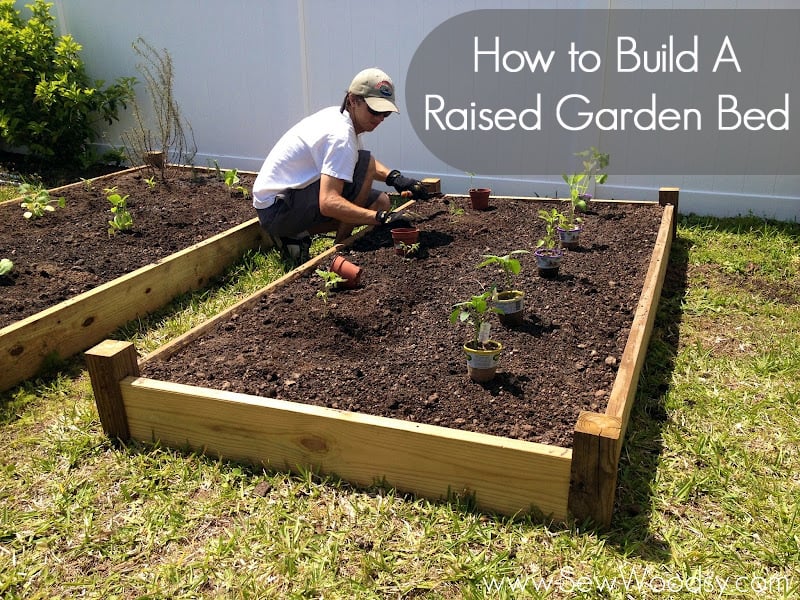
I have yet to see after 30+ years of clinical practice, a clinical encounter within the realm of speech-language pathology (SLP) whose outcome had not been heightened by the interactions of humans with plants. Edwards (2016) in the ASHA LEADER(1), likewise gave high marks to the inclusion of gardening work, with traditional operations of a university speech and language clinic. The author expressed in this article some surprise at the degree of buy-in for gardening activities by faculty, staff, students and clients. To paraphrase the Tom Hanks character's speech in a popular baseball film: there are no surprises in gardening! There should be no surprise, that is - that clients of all ages do and will be positively affected by it.
There are distinct advantages for all parties to participate in a garden program: using a natural environment for skill practice; adapting the gamut of typical activities to all physical and cognitive/communicative skill levels, and optimizing participation of clients to meet concrete goals, with rewards ranging from social and tangible praise to sharing consumption of the harvest. Edwards reported that problems with the physical access of clinic clients to gardening activities, as well as the availability of persons available to tend and supervise garden activities, are some of the major impediments to making a university clinic gardening program thrive. Careful planning and coordination of a clinic gardening program are major keys to the program's success.
Having a garden on campus for the pre-service education of future SLP's thus may provide communication sciences and disorders programs with a versatile "toy box". Student clinicians at various skill levels, for conducting evaluation and treatment of communication/swallowing disorders, may utilize a garden program to fulfill program goals in the areas of speech, language, hearing, fluency, voice, cognition, and - yes, even swallowing disorders. The unique activities presented by gardening for clinic clients during an academic year, would appear to attract a wide variety of clients and clinicians. Yet, big barriers to launching a gardening program as part of an SLP training program remain.
1. Physical Access: How easily can the persons served interact and engage with the plants in the garden??
2. Budget Lines: How does a university clinic fund start up and operational costs?
3. Garden Management: Who - between treatment sessions, and between academic terms, - takes responsibility for general management of the garden environment?
4. Recruitment: Who will want to work in dirt? With pests? While carrying tools and implements? For most of an academic term? With clients who get messy, and who may need physical assistance?
5. Garden Security: How is the gardening environment kept protected from the curious,who may not have the best interests of the garden program at heart?
At present there are 13 university training programs in my state, for persons studying towards the master's degree in speech-language pathology. In another year, I hope to have helped each of them incorporate gardening activities into their training programs. Keep watching this space for details.
(1). Edwards, Collette, "Growing and Harvesting Success: An On-Campus Garden Helps University Clinic Clients Learn to Generalize their New Skills", ASHA LEADER, v. 21 (May 2016), 38-39.
There are distinct advantages for all parties to participate in a garden program: using a natural environment for skill practice; adapting the gamut of typical activities to all physical and cognitive/communicative skill levels, and optimizing participation of clients to meet concrete goals, with rewards ranging from social and tangible praise to sharing consumption of the harvest. Edwards reported that problems with the physical access of clinic clients to gardening activities, as well as the availability of persons available to tend and supervise garden activities, are some of the major impediments to making a university clinic gardening program thrive. Careful planning and coordination of a clinic gardening program are major keys to the program's success.
Having a garden on campus for the pre-service education of future SLP's thus may provide communication sciences and disorders programs with a versatile "toy box". Student clinicians at various skill levels, for conducting evaluation and treatment of communication/swallowing disorders, may utilize a garden program to fulfill program goals in the areas of speech, language, hearing, fluency, voice, cognition, and - yes, even swallowing disorders. The unique activities presented by gardening for clinic clients during an academic year, would appear to attract a wide variety of clients and clinicians. Yet, big barriers to launching a gardening program as part of an SLP training program remain.
1. Physical Access: How easily can the persons served interact and engage with the plants in the garden??
2. Budget Lines: How does a university clinic fund start up and operational costs?
3. Garden Management: Who - between treatment sessions, and between academic terms, - takes responsibility for general management of the garden environment?
4. Recruitment: Who will want to work in dirt? With pests? While carrying tools and implements? For most of an academic term? With clients who get messy, and who may need physical assistance?
5. Garden Security: How is the gardening environment kept protected from the curious,who may not have the best interests of the garden program at heart?
At present there are 13 university training programs in my state, for persons studying towards the master's degree in speech-language pathology. In another year, I hope to have helped each of them incorporate gardening activities into their training programs. Keep watching this space for details.
(1). Edwards, Collette, "Growing and Harvesting Success: An On-Campus Garden Helps University Clinic Clients Learn to Generalize their New Skills", ASHA LEADER, v. 21 (May 2016), 38-39.
Thursday, October 20, 2016
Shelter for the ingathering
The upshot of this blog post for readers: James Thurber and E.B. White once wrote "a man needs a den". A speech-language pathologist needs a SUKKAH.
As I am writing this, we are at the midpoint of the Jewish festival of Sukkot (translated from Hebrew as "booths"or "tabernacles"), which celebrates the protection given the Jewish people by God during their forty years' journey through the Arabian desert. Sukkot also is known as a harvest festival marking the end of the agricultural year, and then is termed the "Festival of the Ingathering". One hallmark of the festival for observant Jewish is the construction of a person's own sukkah (singular of sukkot) adjoining one's permanent home. The sukkah builder is to live within the structure during Sukkot as much as possible, blessing the structure daily and having meals in the sukkah with family and friends.
A sukkah's place in the harvest? It comes from the farmer traditionally living in such a structure, during the intense work schedule of bringing in the crops. Sharing a meal in your sukkah is thus a time for celebration, and for blessings of the season to be dispersed amongst your loved ones.
I do not see any salient theological alignment, between what my colleagues do each day in their clinical work and what observant Jewish do in their sukkah. I do like still, the imagery of the sukkah as a protective enclosure about the person served. It may be a room with a door, with utter quiet provided from the outside world - though one of the university faculty stands opposite the mirror glass. It may be one corner of an elementary school playground,with room for student and teacher to stand alone. It may be a dual-occupancy SNF bedroom, with daytime TV dramas playing as mood music in the background. It may even be the hospice bed of a person slipping away, but the work of the speech-language pathologist evokes the spirit of the sukkah as protection from the world - protection to grow and develop. As the newest Nobel literature laureate said it: "shelter from the storm".
Likewise, bringing in the harvest via use of the sukkah makes me think of the days of hard-fought success in meeting a person's treatment goals. The person and the speech-language pathologist spontaneously shine with the joy of accomplishment. Those readers of this blog who know of my fondness for incorporating gardening work into therapy, may know the pleasure of picking the first ripe tomato. Some of my colleagues have even helped their persons served, in picking the first punctuation mark they might use.
My everyday existence as a speech-language pathologist gives me the chance to create safe and fertile environments, and then to help extract the fruits of labor by the persons served. Sukkot is one symbolic stream that conveys the aims of the SLP in beautiful terms.
Subscribe to:
Posts (Atom)