Saturday, April 30, 2016

Who has the best approach?

With a previous post ("Are You A Technician? A Psychometrician?"), I began to describe two perspectives the SLP might bring to the job, regardless of the customer base or service setting where the SLP might work. With the roles of the technician vs. the psychometrician,  I wanted to call attention to not only how each role is endowed with unique responsibilities, but also how each role can limit the autonomy of the SLP.


To keep it real, the majority of my days and those of most of my peers have significant portions devoted to repetitive,  focused tasks. We all spend time at specialized and circumscribed activities available for our use by our education, training and experience. But if this were the entirety of the workday, I would run, run like the wind from such a job. Growing in this profession means, to me at least, that you should be able to use all your skill set; to challenge yourself to think while you work; to use your good work to indirectly market your profession: I can hear it now....


(Sung to the tune of 'Dark End of the Street') -

"Do you know - what an SLP can do?
She may help you talk, but you hear better too;
He helps you swallow; helps you think on your feet -
She lives in the real world so your life's more a treat.

YOU AND ME - tangled tongue, straightened out by an SLP....

He sees the big picture,
Not just the skill constricture;
She works well with mothers, bosses
And your MDddddddddddddddd

YOU AND ME - tangled tongue, straightened out by an SLP" -


I am calling this perspective on the clinician, the "diagnostician". How do all three perspectives compare in a nutshell??


WHO DOES IT?

HOW DO THEY THINK?

WHAT DO THEY THINK?
SLP as technician

Let’s do this one thing.

I’ll do all the ‘x’ you want to give me.
SLP as psychometrician

Let’s do this exactly right.

I am your lab bench jockey.
SLP as diagnostician

Let’s do it so this person cans communicate/swallow/think better.

I do it all for person ‘Y’.


I see the diagnostician as the apogee of evolution in our field: the diagnostician draws her/his decision making skills from a broad general skill set, in addition to the specialized knowledge required for the CCC. Technician and psychometrician skill sets are folded into what the diagnostician does, but there remains much more. Perspectives #1 and #2 are domain specific, but #3 is more and more a generalist - though knowing how to be specific, for the needs of each of the persons she serves. Where the technician and diagnostician fill a role, the diagnostician embodies an identity.


I hope that these ideas can help fuel more thought and discussion about how the SLP approaches her work.


Sunday, April 24, 2016

Would you like a garden?

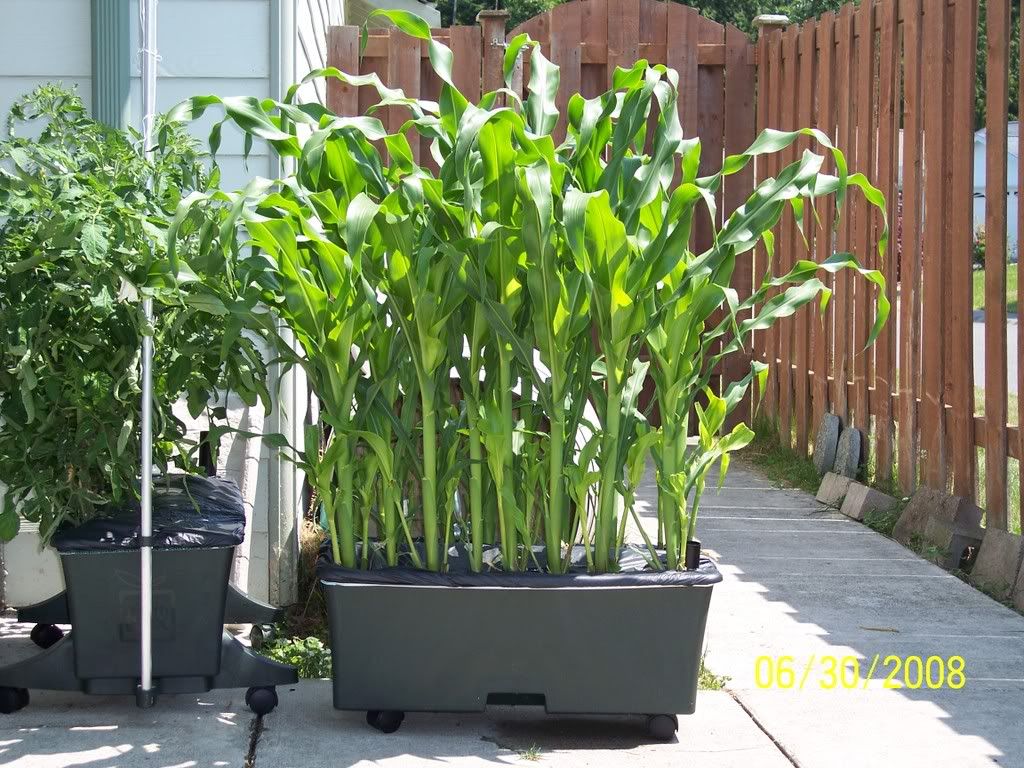
Regular readers of this blog, or of my other writings and presentations, know how enthusiastic I am about gardening in clinical speech-language therapy. It is fun. It's rewarding for clinicians who do the work, and for the persons enjoying the 'fruits' of the work. Though not expensive to carry out, the creation of gardening structures and the sweat equity you put into their use, can offer incredible returns on investment in a clinical laboratory to serve the persons you are entrusted.


Entertaining, innovative; providing multisensory stimulation; a haven from the clamor and buzz of modern life; and you can eat the toys! Like hippotherapy,  aquatherapy and corporate SLP, gardening can energize the SLP'S career - but I believe the gardening laboratory should be an experience that SLP's have from the beginnings of their career.


I would like to see a laboratory garden (or teaching, training, therapy or whatever kind of garden you call it) in every SLP training program: very simply put. You learn during your training to assess phonology; you learn to train phonatory function to help someone speak clearly in real life; you learn how to use FEES for swallowing - and you can also find 10 words that go with 'tomato', while growing Napa grape tomatoes.


The options for stimulating communication and thinking are too numerous to count now. Would this garden require an SLP student to develop a horticultural skill set, in addition to their professional training?  Not necessarily. But at least 4 options exist for starting and sustaining the 'therapeutic garden' for a university speech and language clinic, with various levels of start-up and maintenance costs. Are there other advantages to the new professional? To the training program? To other programs and departments at the school?


Yes, yes and yes. The new professional gains working experience in a real-life environment that is conducive to clinical magic. The training program has a recruiting tool, as well as a student training site that can be shared and coordinated with the help of other departments (e.g. life sciences, consumer science, nutrition) to achieve unique or unified missions.


In the state of Illinois, there are 15 college/ university programs that prepare future speech-language clinicians for the bachelor's degree or above. I look forward to reaching out to each program as an unpaid consultant during the program's summer term. The goals of consultancy are to identify programs committing to development of a therapy garden by fall 2016. SO - Illinois SLP training program directors: Do you want a garden?


Saturday, April 2, 2016

Are you a technician? A psychometrician?

(Blogger ' s note: I was unabashedly a fan of MAD magazine parodies when much younger, and still admire them for what they taught me about truth-telling.  Here's the truthiness I see in how an SLP structures her/his job.)

To the tune of "Take Me Out to the Ballgame"

Are you just a technician?
Do you do one job o'er and o'er??
Even if your one job is in demand
The pent-up boredom splits you where you stand:
Where a half of you works your butt off,
And the other half ' s going numb -
I'd much rather get techie, when all in one piece
So find your butt,  and insert thumb!


(To the technicians everywhere who really love their job: when you are mindful about your work, even a repetitive SLP activity is rewarding. Sometimes, though, it's hard to be mindful. Doing all day 'bedside swallows', hearing testing, oral peripherals, MBS's, and back in my training days, "IT- PAHS" (Illinois Test of Psycholinguistic Abilities"; - it was a pivotal life lesson to learn how to appreciate the discipline involved in doing repetitive tasks. Pinning your ears back, staying attuned to the needs for high quality in repetition, and keeping the ideals of quality customer service up front - equally important. But maybe, when you hear yourself referred to by physicians as "the swallow technician" - that actually happened - you want to use more of your skills acquired in graduate training. Why, otherwise, would a physician use your services for much more than the finite job )


To the tune of "La Bamba"

You are a psychometrician!
Your day is filled up with
Testing people from dawn to dusk
If there's a protocol to be had
You'll pull it off the shelf,
You'll glean it from its husk
And when it's time to know the score, they ask -
What is the score?
That is the score!?
YOU know the score....


(I do admire the skill of a professional tester: such an armamentaria for truth - telling in those test kits! Training and experience allow the psychometrician to capture systematically a portrait of a person's function. The pressures of the modern human service workplace, be it education or health care, - be it for adults or children - seem to benefit the services of this "psycho - ", as standardized data collection appears the favored documentation of outcomes, by third party payers. Inevitably, though, management of the person's case teaches you that understanding a person's needs cannot simply be -  placing a frame about a photograph.)


What else can be done? Is there another approach to patient care that allows an SLP to consider multiple dimensions; that allows you to apply the art of communication,  as well as the science?


Sunday, March 27, 2016

Who Exactly Are We?

Back in November 2012, an early blog post of mine proclaimed "I am a speech-language pathologist ". I talked about what we do in the field, and what I  hope to do through the work years still to come, but - little emphasis was placed on what makes an effective speech-language pathologist. I know how I became me, but - am I the right kind of me for this work? I set out to look and look for what others say makes an effective SLP, and what else makes the field alive for me.

One source document on this topic comes from my employer (Schmidt 2014). Here are the categories they attribute to persons having success as clinical SLP's, with some abridgements and annotations:

1. Compassion
2. Creativity
3. Enthusiasm
4. Intelligence
5. Persistence*
6. Adaptability*
7. Resourcefulness*
8. Versatility*
9. Proactive approach*
10. Team spirit*
11.  Innovativeness*
12. Stellar interpersonal skills

The skill set items marked with an asterisk (*) are not only for  persons who are trained in the fields, but also are those personality characteristics that may yield greater success in the work site. For example, a persistent SLP comes back to the person needing swallowing treatment, after five preceding attempts to conduct the visit has been thwarted by the visit of another therapist, bathroom needs, interruption from a CNA or volunteer, etc.  This makes us a profession in the world, but not necessarily of it.

Do I measure up to the demands of my own workplace? I come back again and again to help meet the patients' needs. I have much still to learn from them. When barriers arise to meet a plan of care, I try something else to meet the goal. I will find the tools I need to get the job done. I can do many things during the workday; I am a generalist. I think ahead for the needs of the patient, and I am ready for whatever they need. I can not do all the work the patient needs by myself - but I will support my peers in doing so, together. I will help everyone helping this patient, in new and different ways. Is that enough?

ASHA has additional attributes or 'traits' of the successful SLP of the future. they include (also annotated):

1. Teachable
2. Strong ethics*
3. Good communication skills
4. Capable technologically*
5. Conversant with good business practice*
6. Entrepreneurship*
7. Social consciousness*
8. Civility*
9. Objectivity
10. Analytic ability
11. Patience*
12. System advocacy*
13. Positive*
14. Strong values*

Once again, the asterisk signifies the skill set that does not strictly come out of academic training. These skills may contribute to your successful completion of academic training, but more often they are catalysts of success outside the preserve setting. So, I strive to do what is right. I war daily with tablet and phone. I keep in mind, how making sure my employer, helps assure I am paid. Can I close the sale? Yes. Do I sell a service that contributes to a better world? Yes. May I accomplish this in a way that respects all those involved? Can I be ready to do my work, when everyone else involved is? Do I have the skills to influence the human service system? Is my gaze forward and up? Since these are only "traits" of the ideal future SLP - not including the knowledge and skills that will be required, I must ask again - is this enough?

Lubinsky (2002) compiled still another list, "The Making of a Good Speech Therapist", for the Council of Graduate Programs in Communication Sciences and Disorders. The successful employee has:

1. Report writing skills
2. Good verbal skills*
3. Ability to relate well with clients and Co workers*
4. Organization and Time Management Skills*
5. Professionalism*
6. Knowledge of Tests
7. Knowledge of Disorders
8. Shows Creativity and Flexibility*
9. Establishes proper Goals*
10. Accept Criticism and Direction*

This third and final compendium includes more behaviors that are a direct result of formal CSD training; still, those items marked indicate job skills desired of successful applicants, that either come with the student to training, or that are grown through preservice training. In this scenario, I have to ask of myself: Can I communicate well "on my feet"? Can I establish a comfort level with people I serve, and with those working with me? Do I use my time wisely during the treatment day? Am I devoted to the bottom line of the work? Can I find approaches to a problem that work, if the primary approach does not? Can I help my patient pace her/his work toward improving function? Do I benefit from mentorship and guidance to meet the patient's and the organization's goals?

With only three perspectives examined, it seems there is a dichotomy between the skills born out of the didactic experience (classwork, university clinic) and the field experience (externship, CF, and early employment years); The didactic skills are built from more distinct hierarchies of knowledge, than are the field experiences: some emerge from cycles of human development prior to professional training, and others are grown best in the workplace. With all the skill sets an SLP professional should have in today's marketplace, I think we all had better get a good night's sleep.


Sunday, February 28, 2016

Wellness for your career, for your life

It's no secret that I am a veteran of the professions. From preschool to senior living environments; from time practicing from health care, community and educational perspectives, to finding the commonalities among all the settings; from fee for service to PPS; - what a strange, long trip it has been to stay well and contribute to the professions. The changes in what we do, and how we do the work of the professions over the last thirty years have steadily demanded more and more focus by its practitioners. Advances in the basic science of communication and swallowing; in the technology available to treat our persons served, and the development of a wide range of practice settings for persons across the life span; - very cool, right? You won't hear me knocking our professions' increased visibility, but the products of growth can be growing pains.


For each of these advances, there are imposing barriers to our providing  quality service. There are higher demands for productivity, stricter controls on the spending of third party dollars,  and greater insistence upon customer value for persons we serve. My mentors, my colleagues, and even those young SLP's who i have encouraged and supported: all of them i have overheard saying, how can we survive?


 I can assure the reader of this blog that: staying well and productive is possible, that burnout can be prevented, and that there are proven ways for the SLP at risk for burnout,  to meet her/his career and life goals.


Burnout: loosely defined as exhaustion that comes as the byproduct of soul - grinding stress. I have been affected by burnout twice in my career. In both cases I survived by taking a job outside the professions, until I knew for myself I needed to work as an SLP.  I needed and received healing and recharging. Though i felt initially i had been defeated by my burnout, there were instead lessons to be learned. What were the lessons I learned that made chronic burnout less likely?

Most SLP professionals beginning or near the mid point of their careers, may not give much attention to can staying healthy and focused. You are in your 20's or 30's, in relatively good health, with graduate school and your CF (clinical fellowship) each fresh in your memory. You devote your days to learning work site routines, building expertise with disorders, and making increasingly sophisticated judgements about what the persons served need.


My first burnout period came soon after I finished a year as a doctoral student in Iowa. I was a year removed from receiving the master's degree. The critical factors were easy to see: I had had no research background;  I was attempting a very high level of competition with my peers; and I had not previously lived outside my southern birthplace. When the perigee of my graduate career had arrived, - did I fall into the abyss? No. I secured a job as a CNA at the University hospital, first in ENT then in General Surgery. What worked to keep me alive?


* no animosity - I left the doctoral program, but was not shut out of the community within the communication sciences and disorders department. I then made a place for myself in the community of the university hospital.
* physical activity - doing CNA work is physically demanding through the shift, so completing a day is a matter of pride as well as nourishing for mind and body.
*reminded of who I am: the interactions with medical, nursing and other professionals caring for our patients; they all told me that I was ready to re-enter the professions;

Nineteen years elapsed, and my career took me to grade school and residential DD programs in Louisiana, community DD programs in Idaho, and a hospital program in Iowa. Managed care had crashed through the edifice of health care financing, and we had started to see that the world had changed. SLP was charged in my hospital with covering services for early intervention, acute, SNF, acute rehab, outpatient, home care and hospice. Wow! Work was going home every night. Days working with persons with traumatic brain injury found me cursed, kicked, slapped, punched, urinated upon and bitten. I did not have the gas in my tank needed for the demands of the job. A local human service agency needed a service coordinator, for adults with traumatic brain injury. What saved me then?


* not living in my head - there was little time to get lost in paperwork or pity parties: Many varied tasks were the order of the day - staffing a group home; giving consumers rides to community appointments (school, work, medical, vocational); staff meetings; care conferences; getting residents into/out of the law enforcement or mental health systems;
* learning different skill sets and knowledge bases - switching and sustaining focus is not only healthy for the persons we serve, but also for us. Learning the intricacies of SSI/SSDI filings alone - sheesh! Managing group home residents' drug administration records - critical!
* using my SLP training - when group home staff appeared to overload the information processing capabilities of the adults with TBI, I could help them devise personalized strategies for verbal expression, memory processing and emotional control - and other things, too. The success we had told me that, I needed to be back in clinical SLP.

Sixteen years have passed since that period, and I appear to have retained many of the lessons learned from my burnout periods. Since this blog is a personal view, some occupational hazards may be less scary than they appear in your rear view mirror:
* Have a life outside the job.
* Pursue physical and mental activity that keep you well not only for the job, but for all the parts of your life that keep you healthy.
* Develop career goals for the short and long term. Have concise plans to achieve all these goals.
* Use mentors and peers to advise you on your goals. Be part of a supportive community.
* As Max Ehrmann wrote in 'Desiderata',  Beyond a wholesome discipline, be gentle with yourself. You are a child of the universe no less than the trees and the stars; you have a right to be here.


Sunday, February 14, 2016

Slouching towards spring: to be born in the garden

"Hi, Bob. Thanks for coming. We're here for another day of speech therapy for your stroke. But you notice, the therapy room is (looks around) set up differently than what you've seen. We have here (points)....a hydroponic - yes, say it with me (says the word chorally), hy-dro-po-nic, good! - planter. You know what the word means, don't you?"


 "YES, The plants grow in water! I was a fan of the show "Lost in Space", back in the 60's, and the Robinsons were growing hydroponic vegetables outside their stranded spaceship. Well...today, we're going to start growing vegetables in here! Ah, I see that puzzled look on your face. Don't worry. During the whole time we plant vegetable seed today,  we'll be practicing the speech skills you've been working on - that sound OK?"


There is a lot going on, with the introduction given by the speech-language pathologist to the session. Supported conversation strategies, like gesturing, pantomime, concrete visual stimuli and facial expressions, are continually used throughout the initial minutes of the session. They become equally important as your patient begins to help start the hydroponic seeds.


"OK, Bob; let's start. You see that we have the planter (points to black manuscript text written on white unlined index card), seed cartridges (label), lights (label), distilled water (label), and the electric cord (label). Now, let's say each of the words: I will say the word, then I want you to say it, OK? Ready? PLANTER....try again, PLANTER, that's right; SEEDS, right! LIGHTS, again, LIGHTS, good!....WATER, yes; PLUG, that's right. Now, we know the parts of our gardening system. Let me show you how we start the seeds, to grow what we like to grow".


Starting a hydroponic garden seems an ideal activity for training language and cognition. For example, vocabulary that may be unfamiliar to many persons (e.g. legume, nitrogen, loam), as well as familiar words can be trained.  Following directions can be easily achieved through demonstration, then by the patient following your model to demonstrate its understanding. Objectives written to improve skills for attention, memory, problem solving, executive function,  visual perception, speech perception, language comprehension and expression, motor speech, fluency, voice, and even swallowing (after all, you are growing food) can be addressed in hydroponic gardening fun. And, in the case of a university or community clinic, activities can occur all year round!


"Bob, that looks great! We have gotten all the seed cartridges in place, so that in about a week all the young plants should be sprouted. We will be caring for the plants during your program, and use the plants to help you meet your goals. I hope you enjoy this approach, and have some fun in the process! We'll see you next time!".


Sunday, February 7, 2016

Your servant

{Chart reads: 62 y/o woman s/p LMCA stroke five days; severe expressive aphasia with lethargic sensorium; clinical swallow eval revealed moderately flaccid oral-facial muscle complex on the right side, affecting lip seal, bolus formation and propulsion, residue clearance; also, impaired strength and timing of swallow trigger, impaired airway protection, seen as gurgly phonation after swallow, yielding high aspiration risk: VFSS study brings recommendation of nothing by mouth for nutrition/hydration}

"Hello, Mary. I'm Carey, from speech therapy. We met the other day - ?  I am here to help you swallow better. The stroke affected your swallowing, so that now the doctor does not want you to eat normal food and drink for awhile. What we will do today may help you resume eating and drinking. Can we do that now?"

[Use statements, not questions, OK? That last one lets you show respect to her, but your non verbals of standing tall and nodding/smiling, while moving very slightly toward her may encourage her buy-in].

"First, Mary; let's warm up the mouth. You have to use the mouth in many ways when you chew and swallow. Let's start by stretching out the mouth muscles, so - please do what I do".

[Pointing to your mouth, then Mary's - stick out your tongue as FAR as you can; do it ten times then rest; move laterally in either direction, then rest; - she follows you better when you give her nonverbal cues, SO - teach her with your eyes, and of course you mouth, but also your WHOLE BODY - !  Yes, even your whole body!! When she doesn't have a lot of energy or focus, exaggerating the movements, going over the top can keep her engaged and relaxed, - even getting her to laugh near the end of the trials can help maintain the rapport you worked hard to attain].

"I'm clapping because I am happy for you, Mary! These stretches you are doing with your mouth may help you swallow more strongly, more quickly and more safely! And LOOK!  Your lunch here. I will be your coach during your meal and try to turn your improving skill into easier eating."

[I may dress and carry myself as an important, smart, skilled person to her. That may be true, but the bottom line reads that - I am her servant. I can take pride in what I help her do, and feel secure about the living I am making for my family; - but what need be remembered by this patient and her family is that, she got better. I promote myself and my profession much more, when I am to her a selfless servant.]